Mother’s Tongue
Bett Gallery, Nipaluna/Hobart
26 June - 18 July 2026
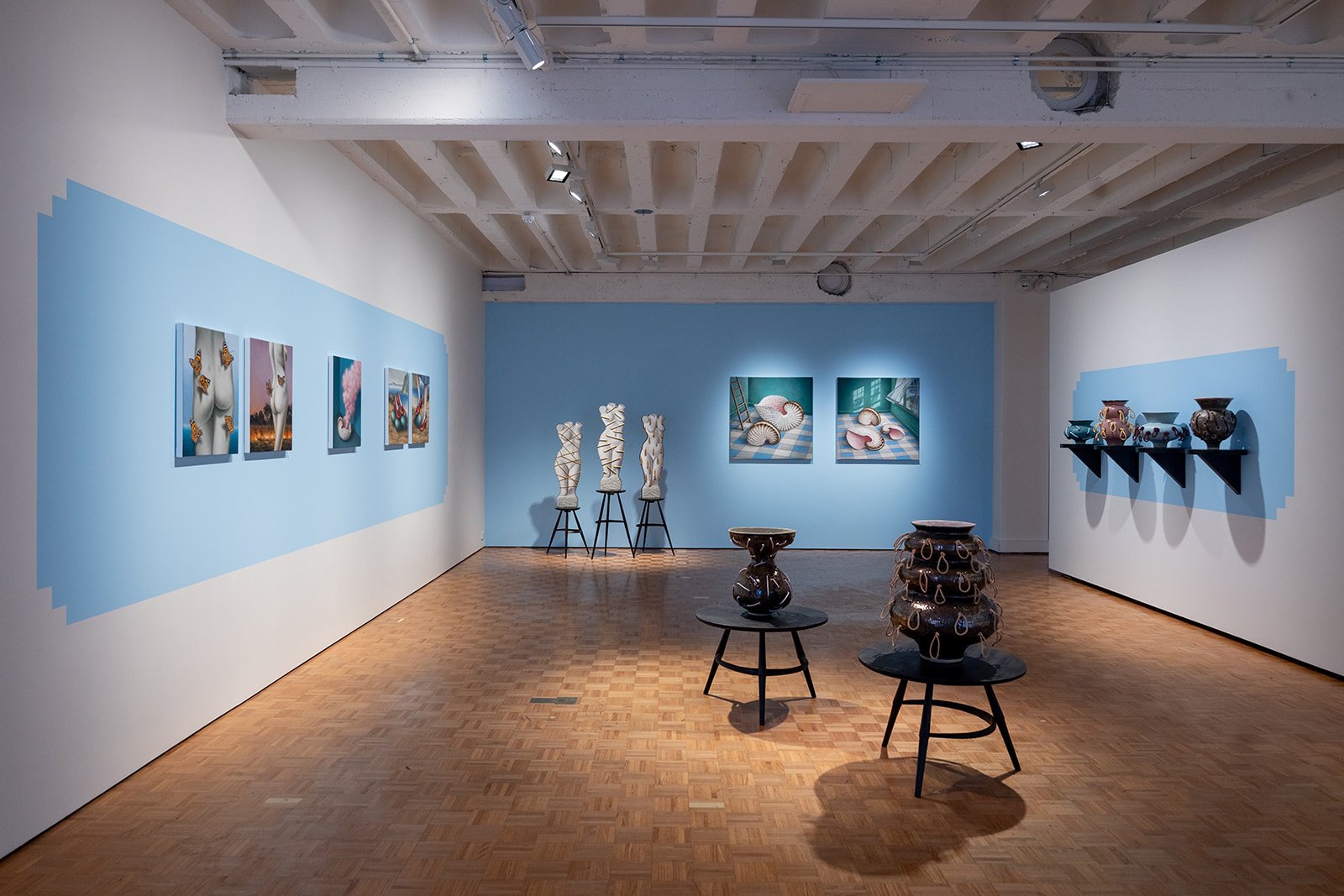
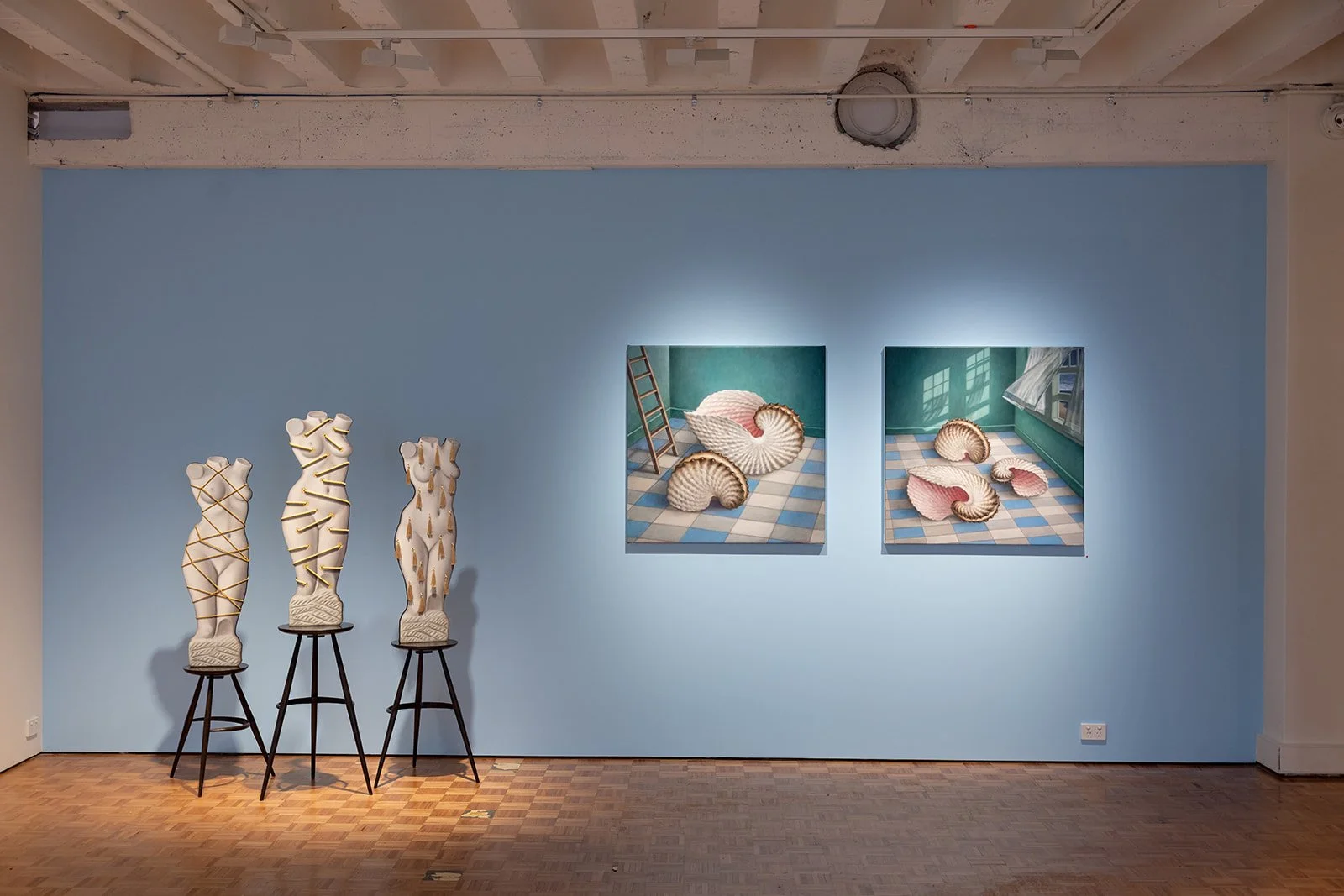
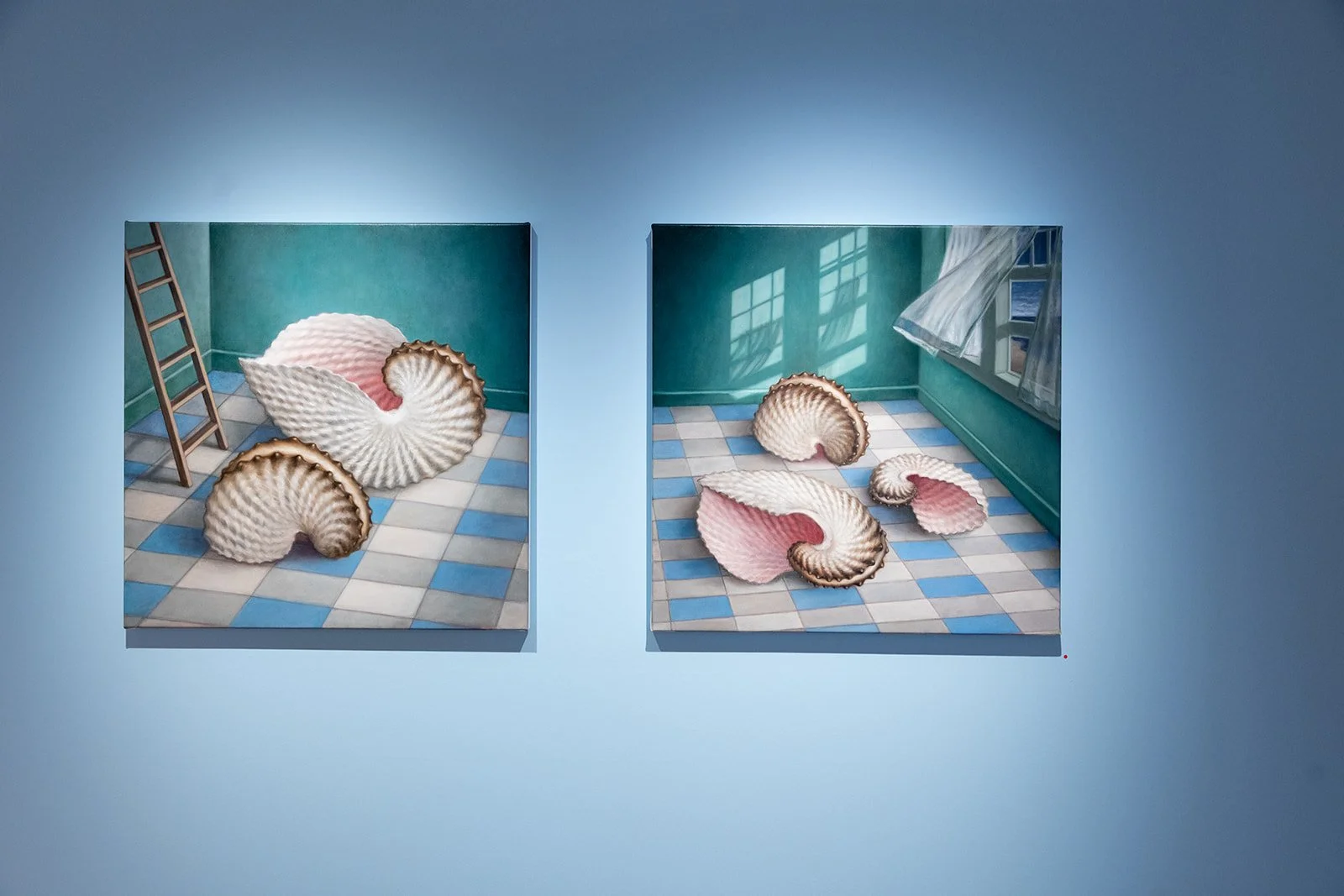
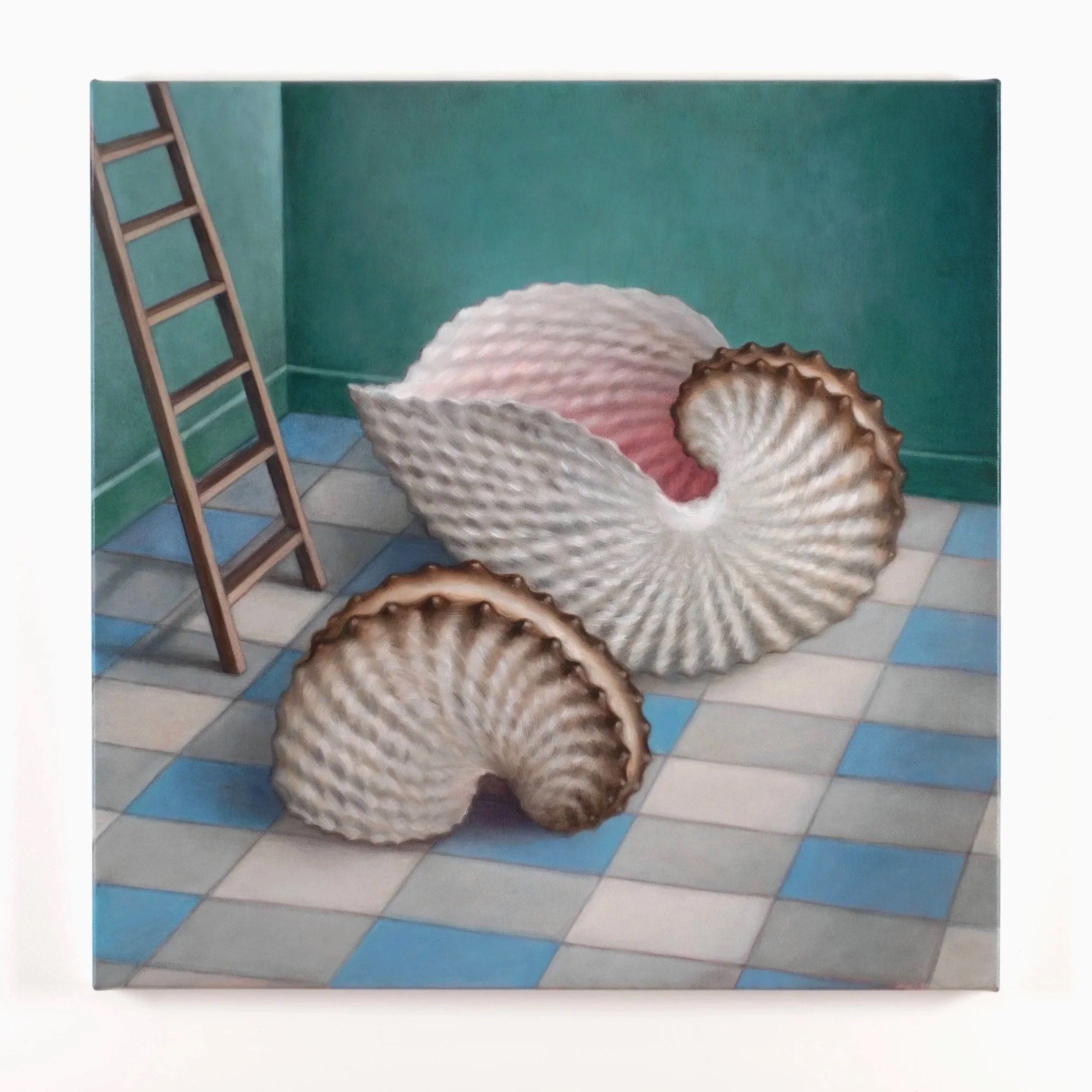
Love is a Fortress I, after Gertrude Abercrombie, 2025-2026, oil on linen, 91 x 91cm
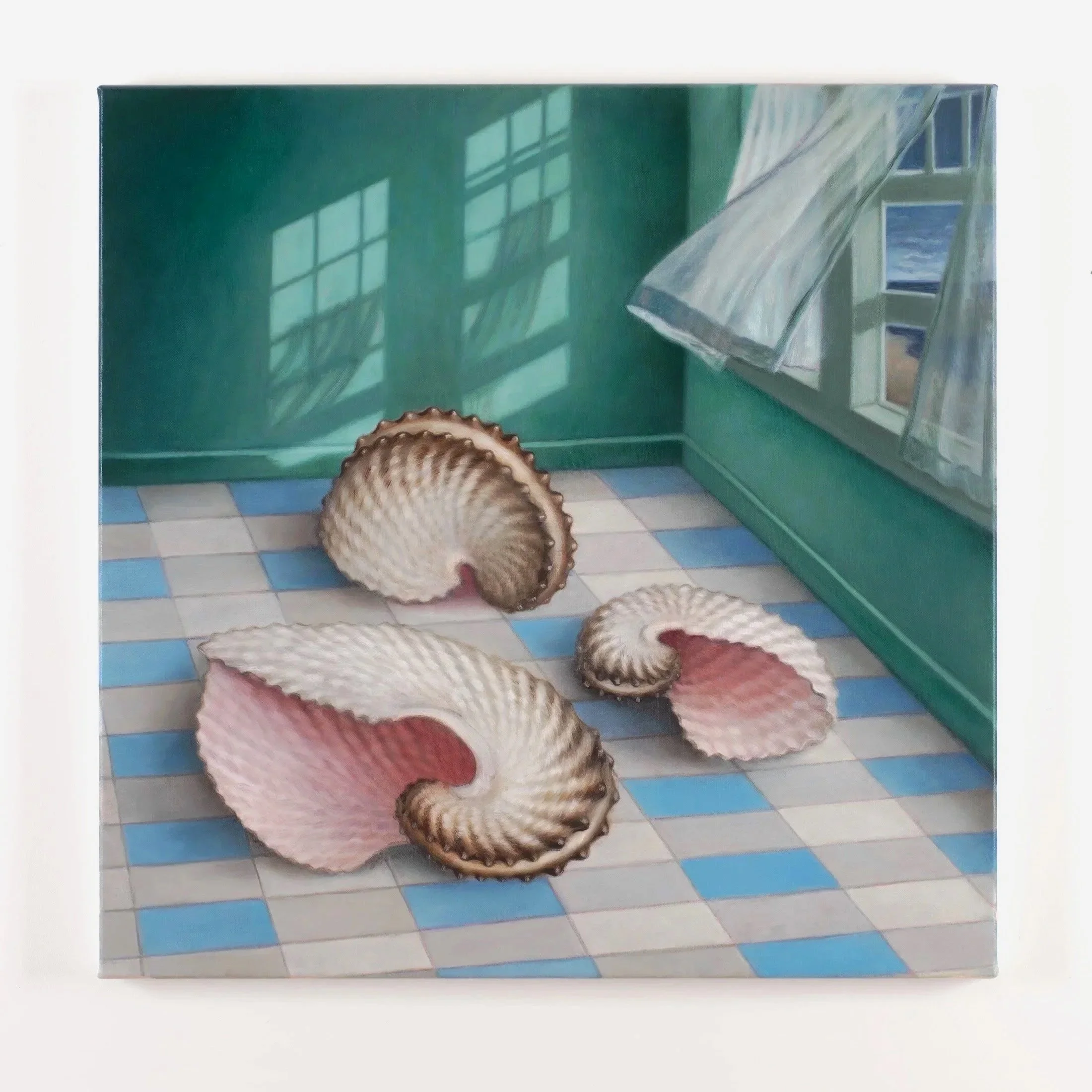
Love is a Fortress II, after Gertrude Abercrombie, 2025-2026, oil on linen, 91 x 91cm
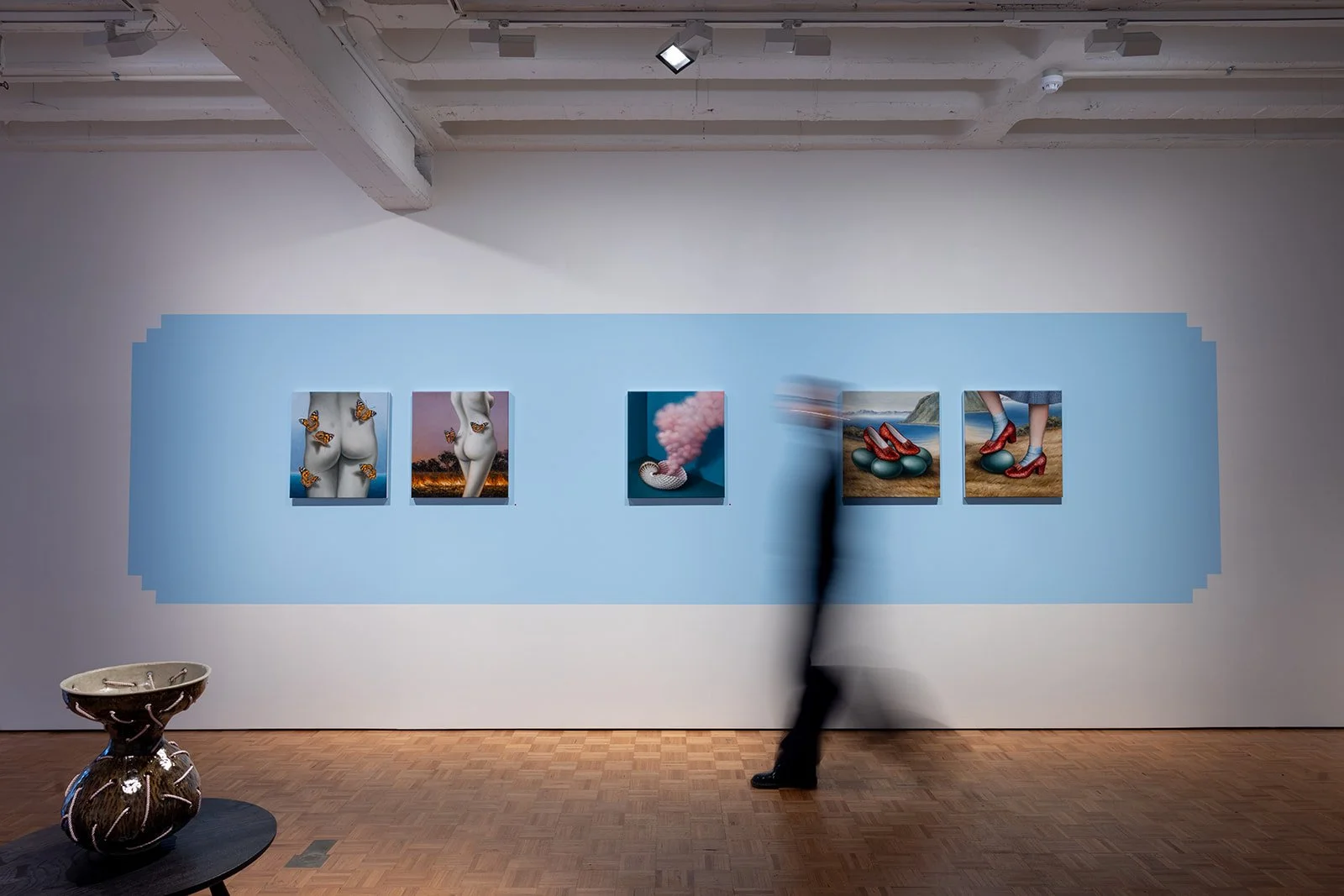
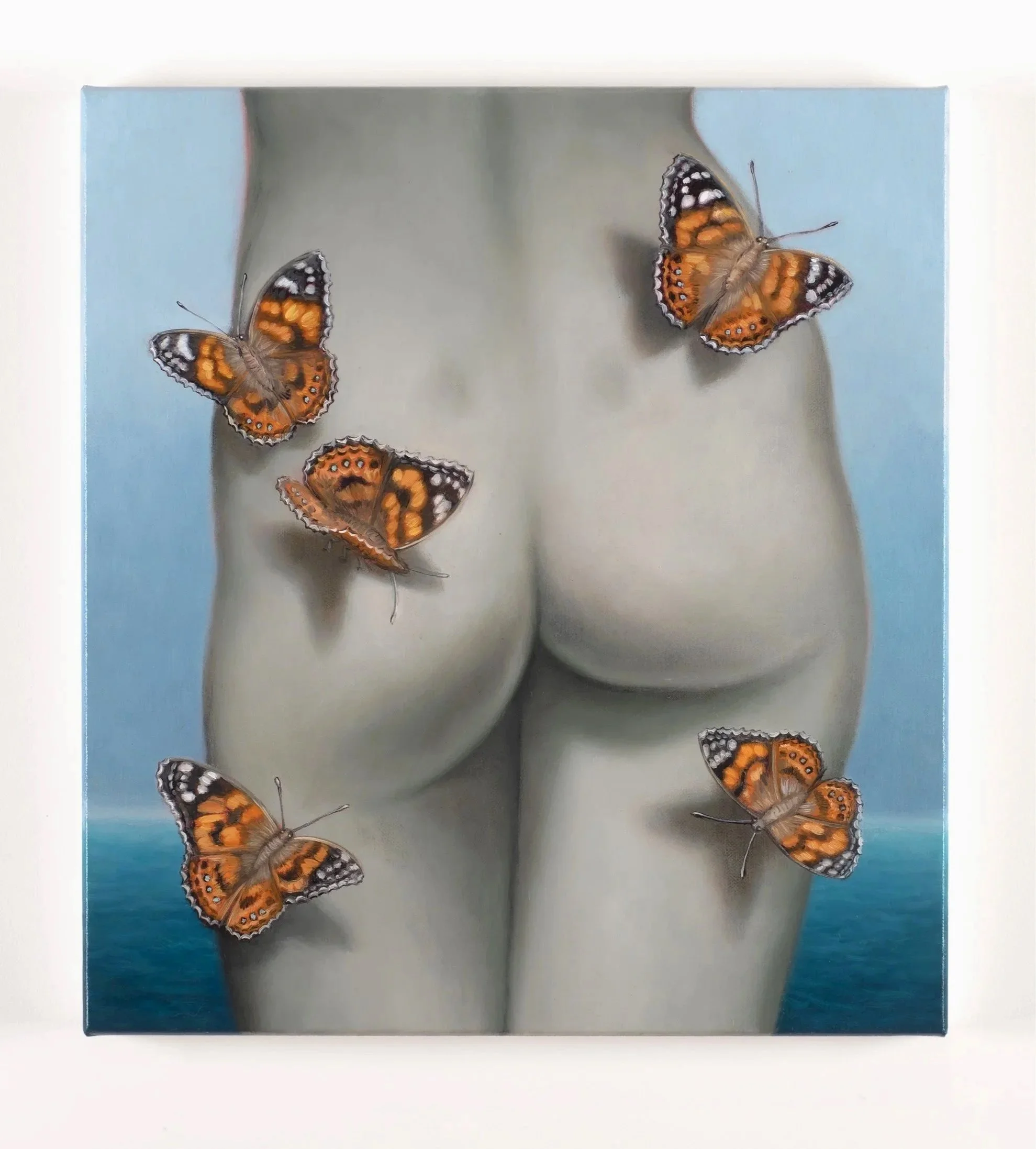
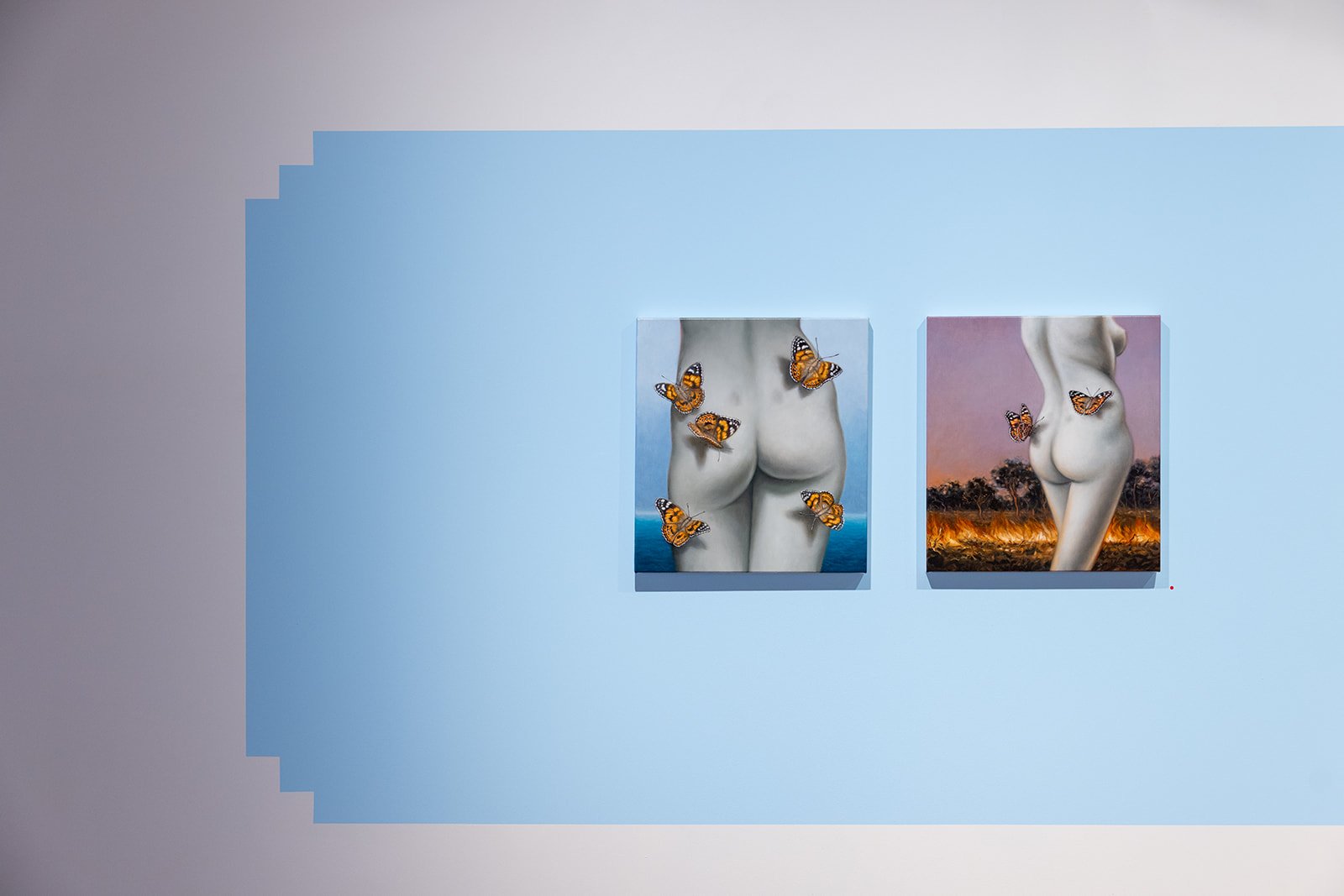
Colour Fix I (Australian painted ladies on Australian Venus, after Rayner Hoff), 2026, oil on linen, 56 x 51 cm
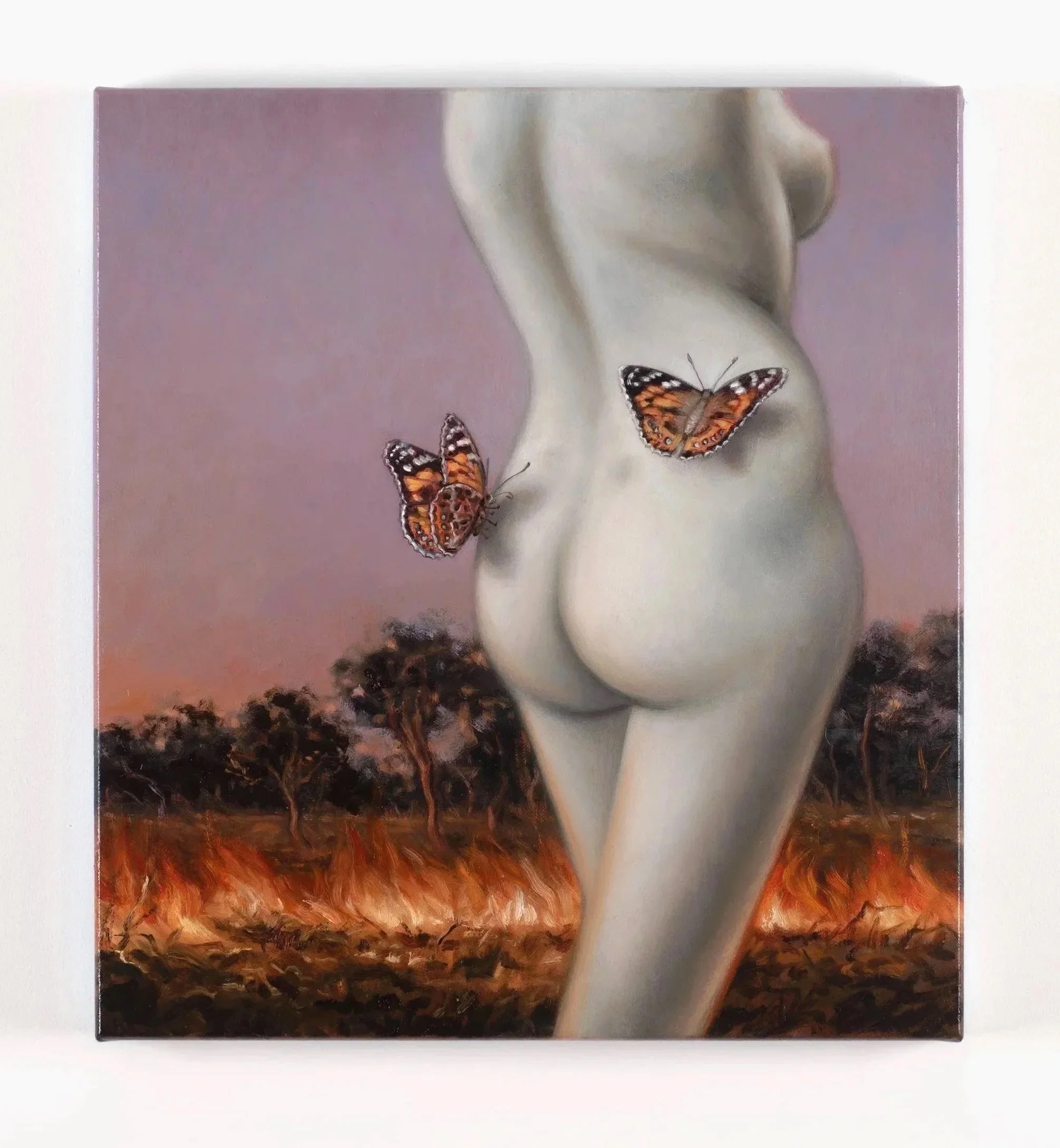
Colour Fix II (Australian painted ladies on Australian Venus, after Rayner Hoff), 2026, oil on linen, 56 x 51 cm
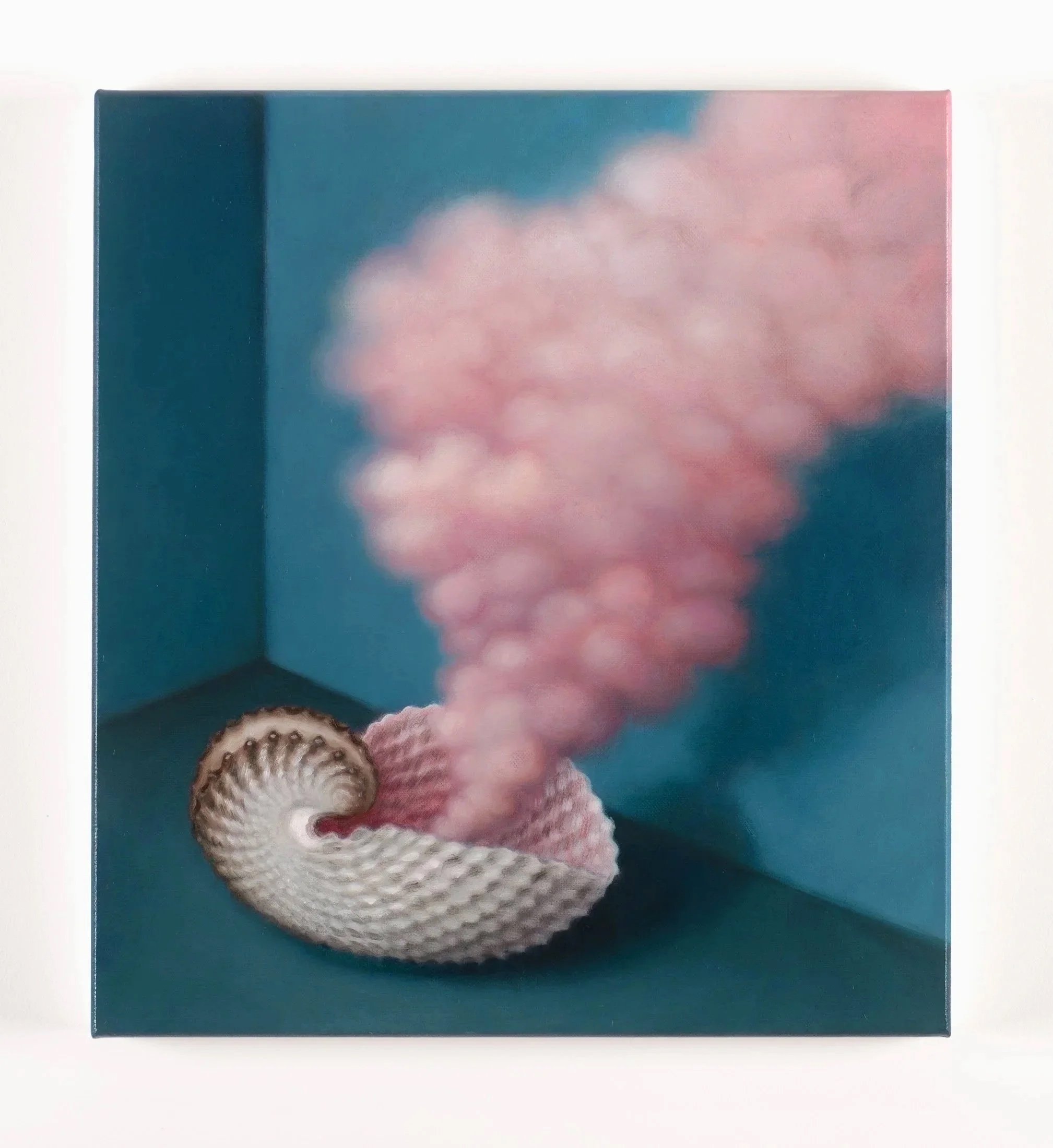
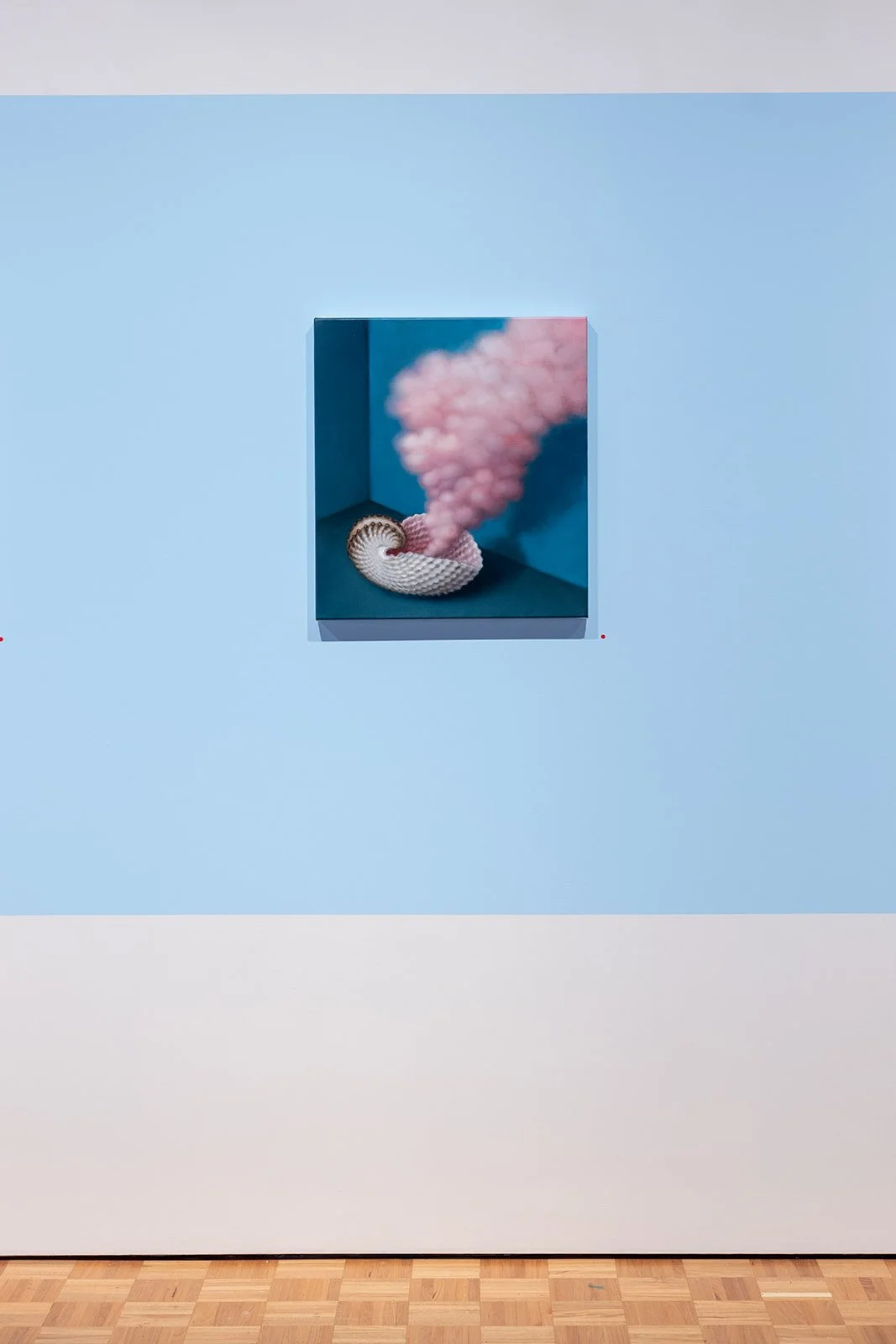
Surrender (heart over head, head over heart), 2026, oil on linen, 56 x 51 cm
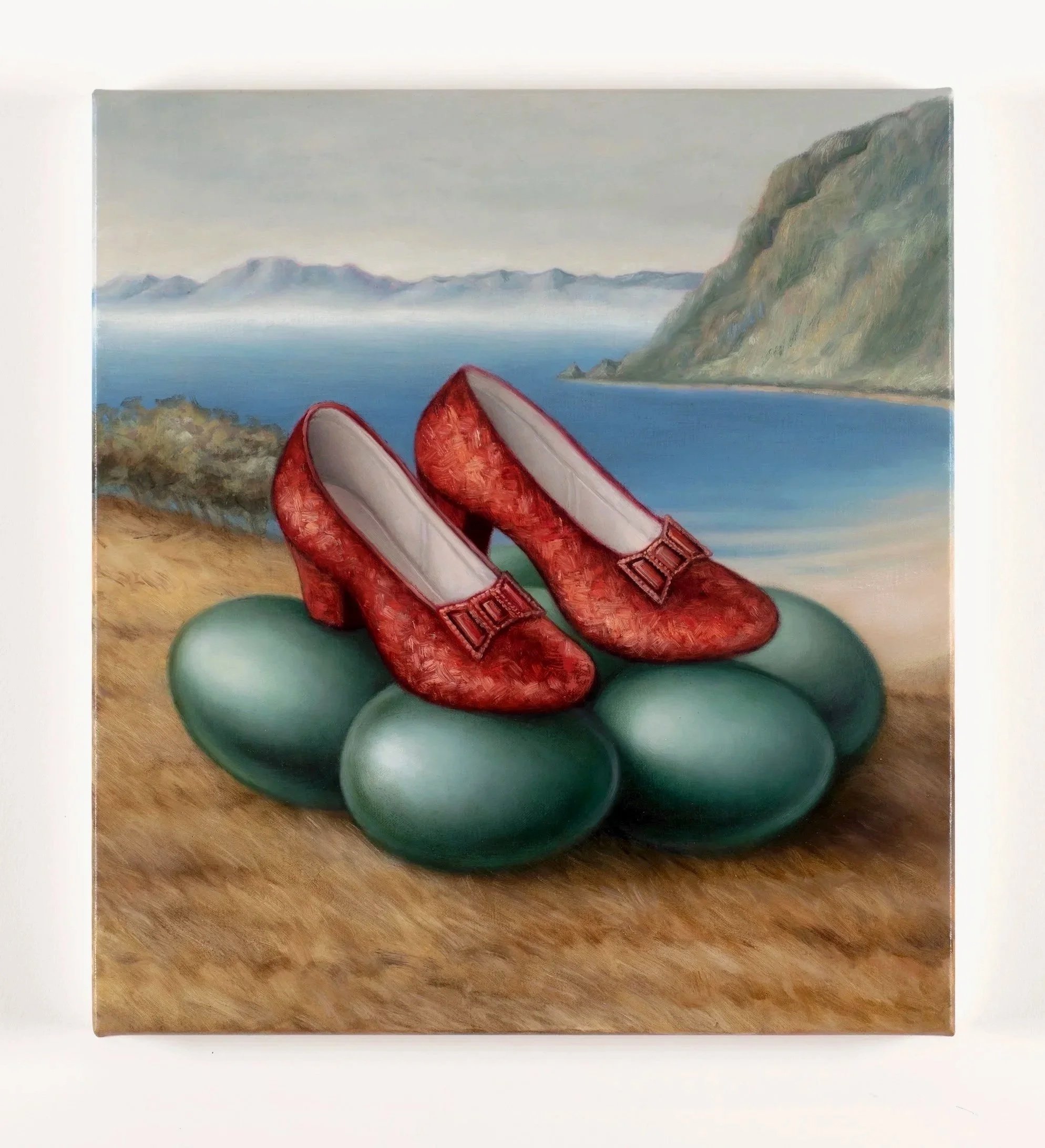
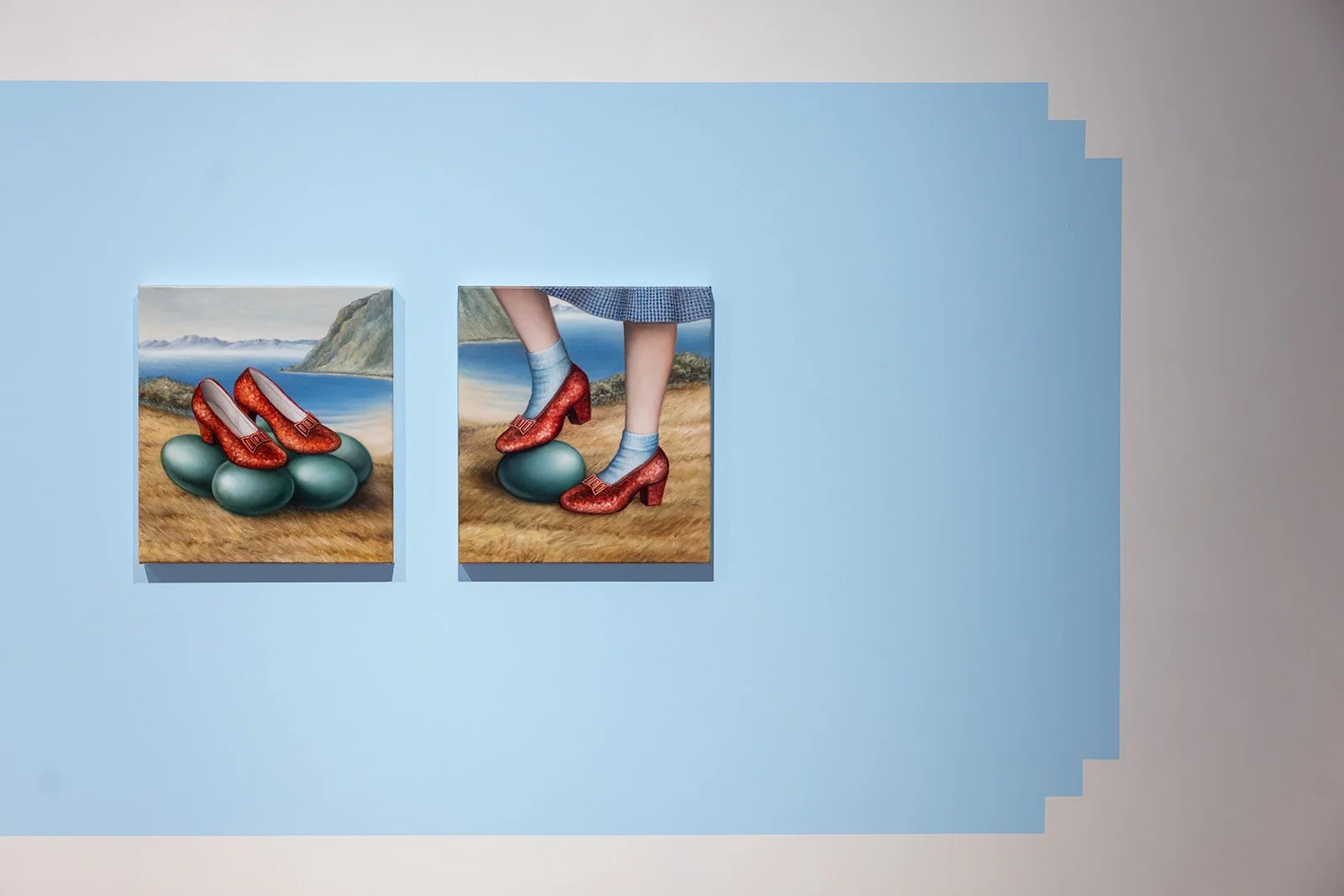
Fertile Grounds at Stanley, after William Porden Kay, 2026, oil on linen, 56 x 51 cm
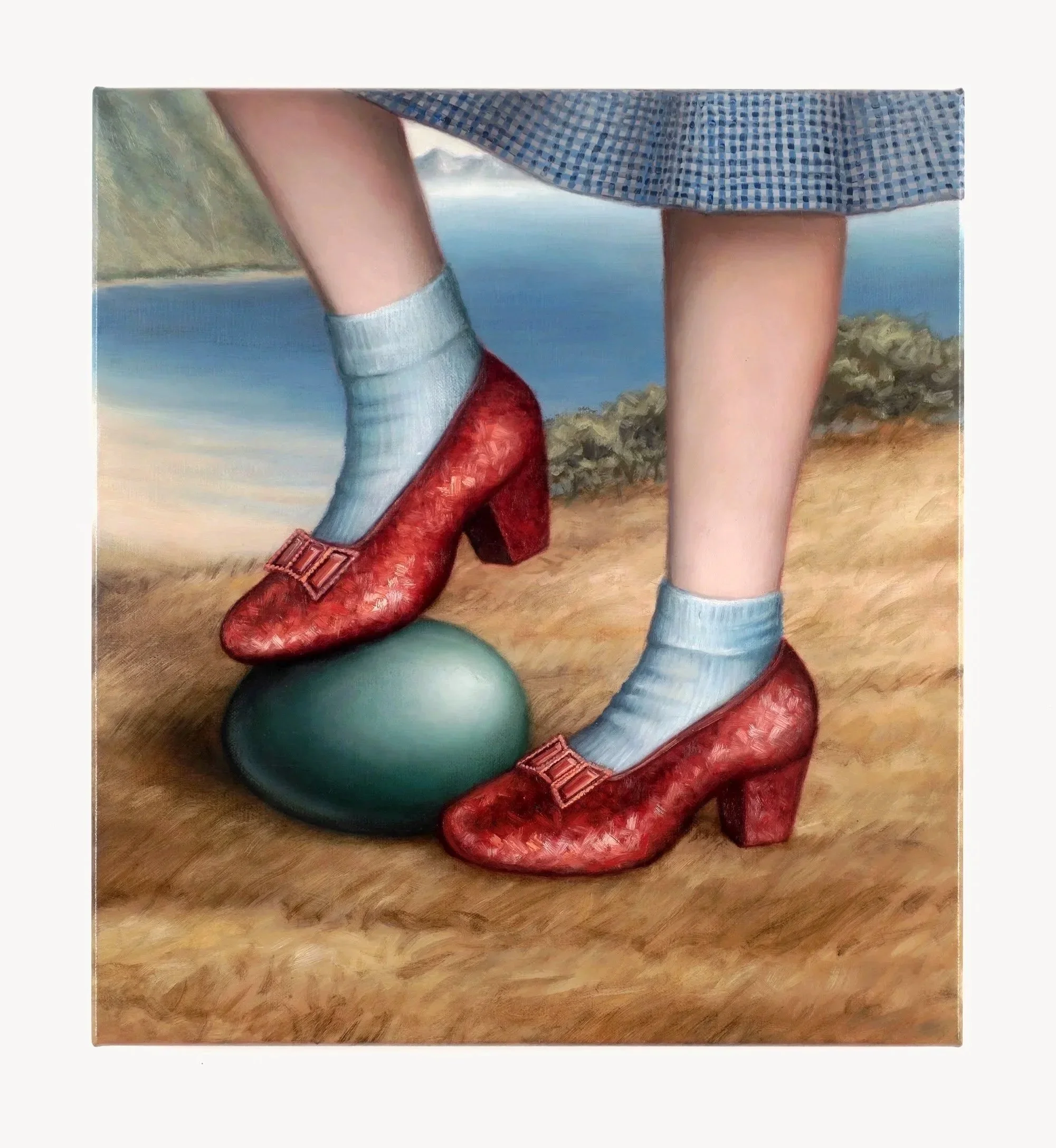
Brooding at Stanley, after William Porden Kay, 2026, oil on linen, 56 x 51 cm
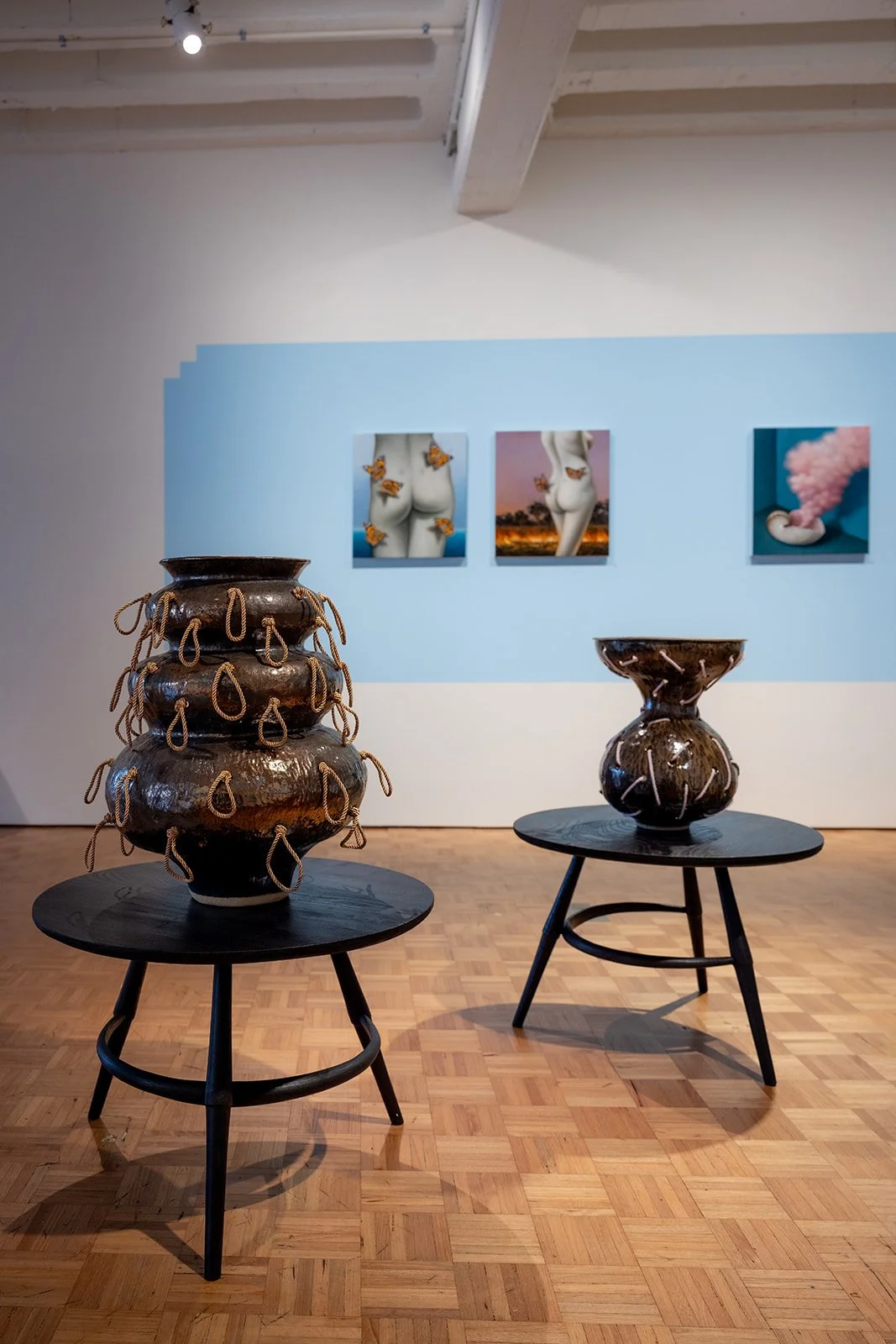
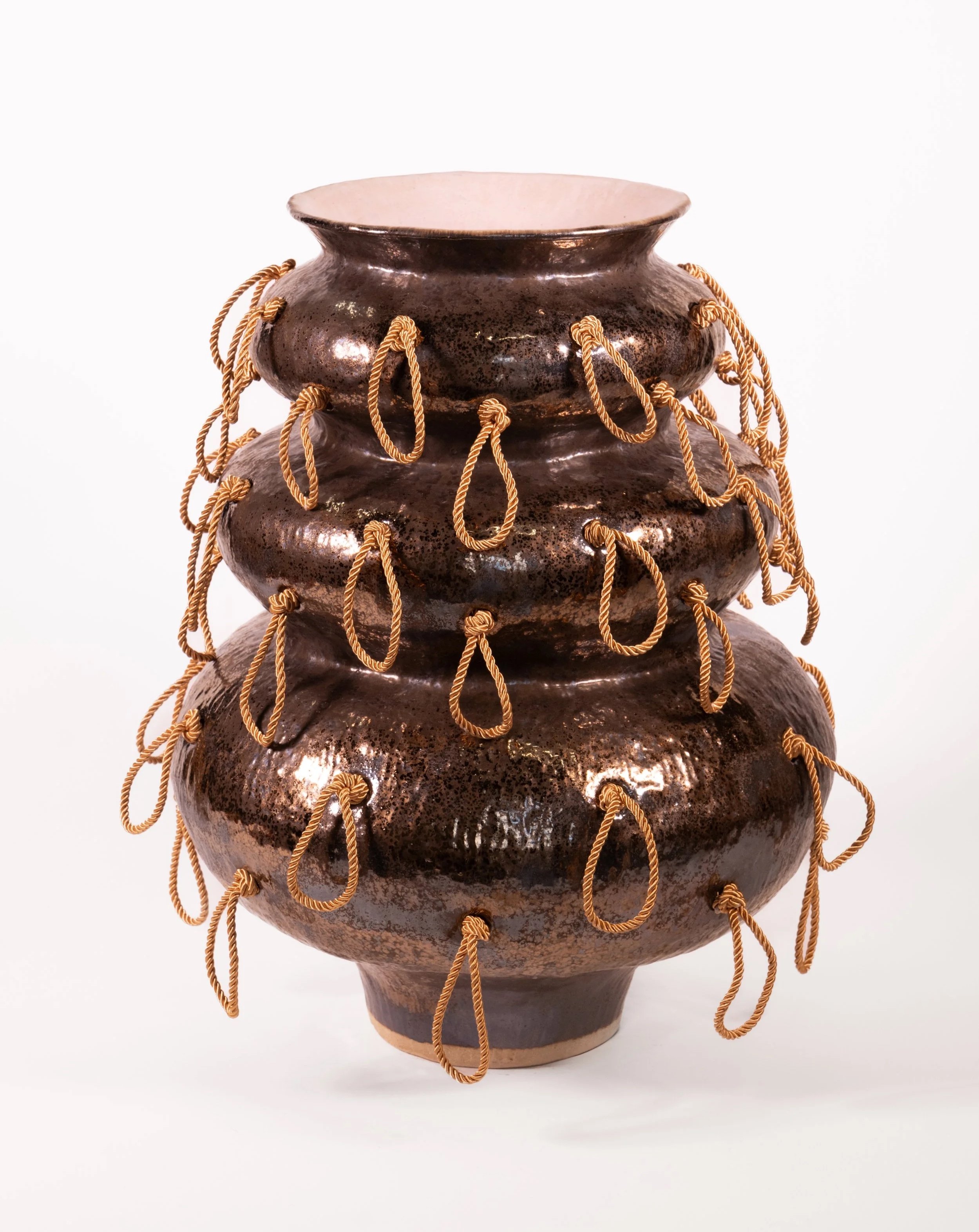
Babushka, after Venus of Willendorf, 2026, raku clay, mid fire glaze, twisted satin cord, 56 x 42 x 48 cm
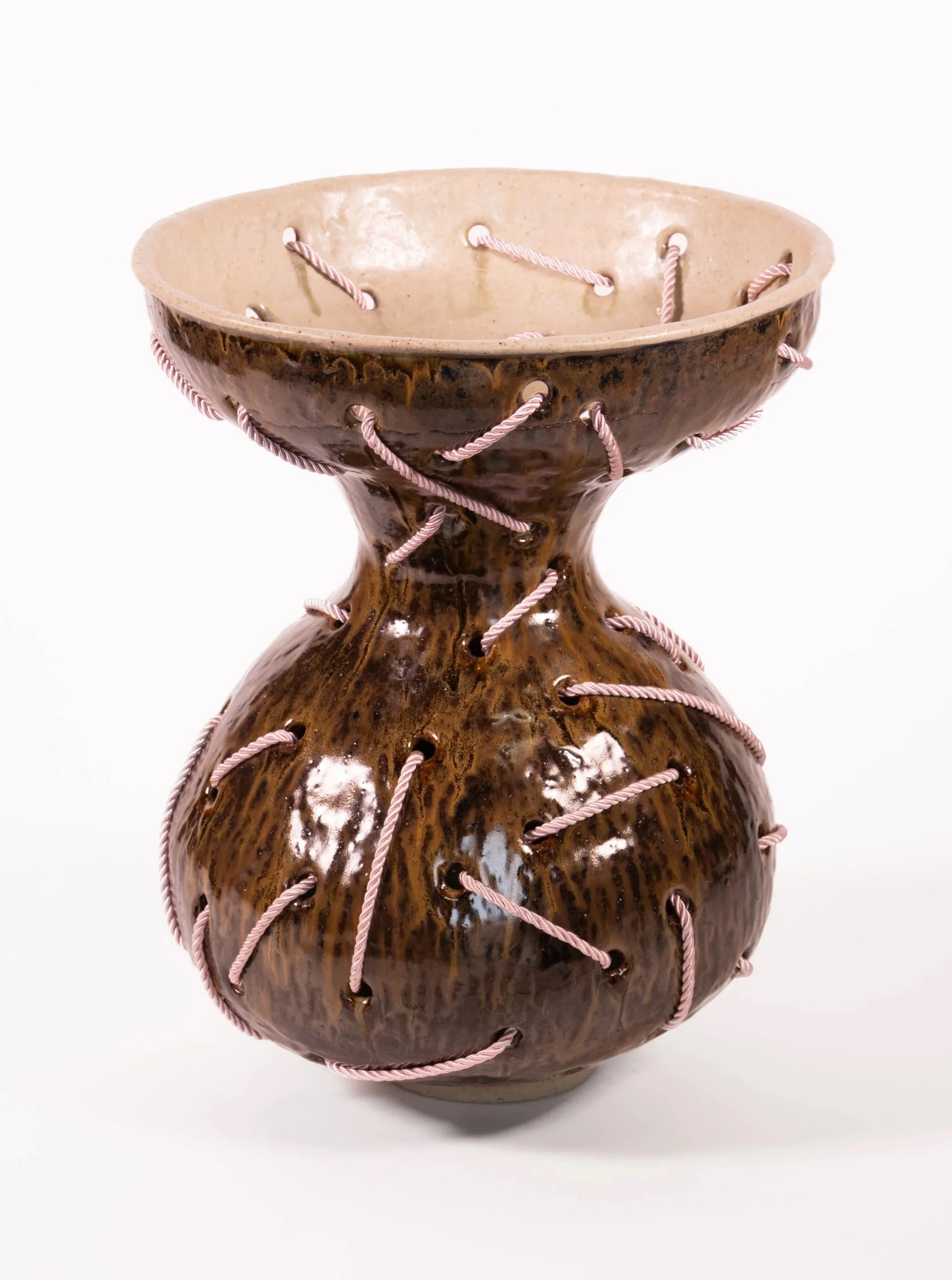
Cradle (You & I are Earth), 2026, raku clay, mid fire glaze, twisted satin cord, 42 x 33 x 33 cm
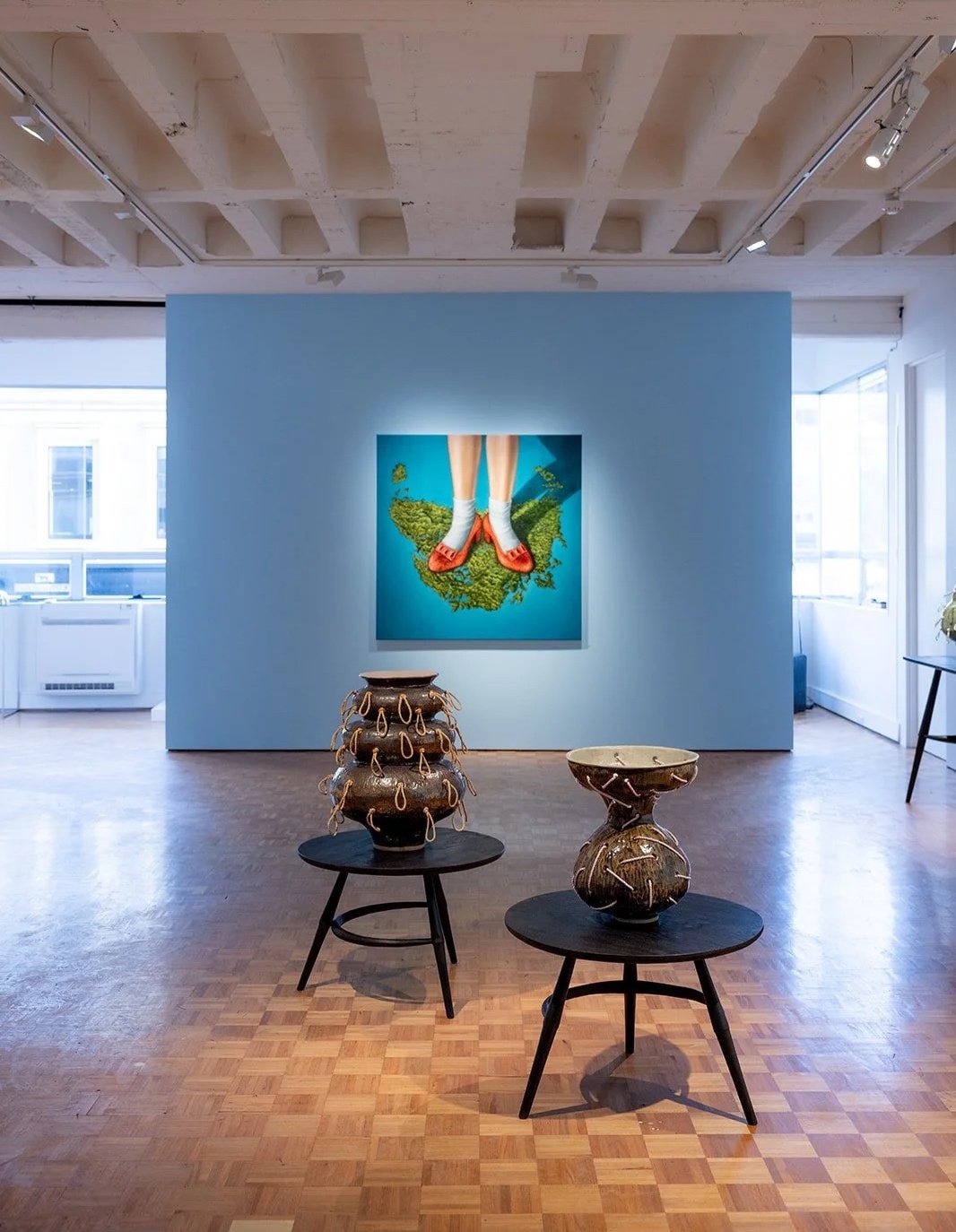
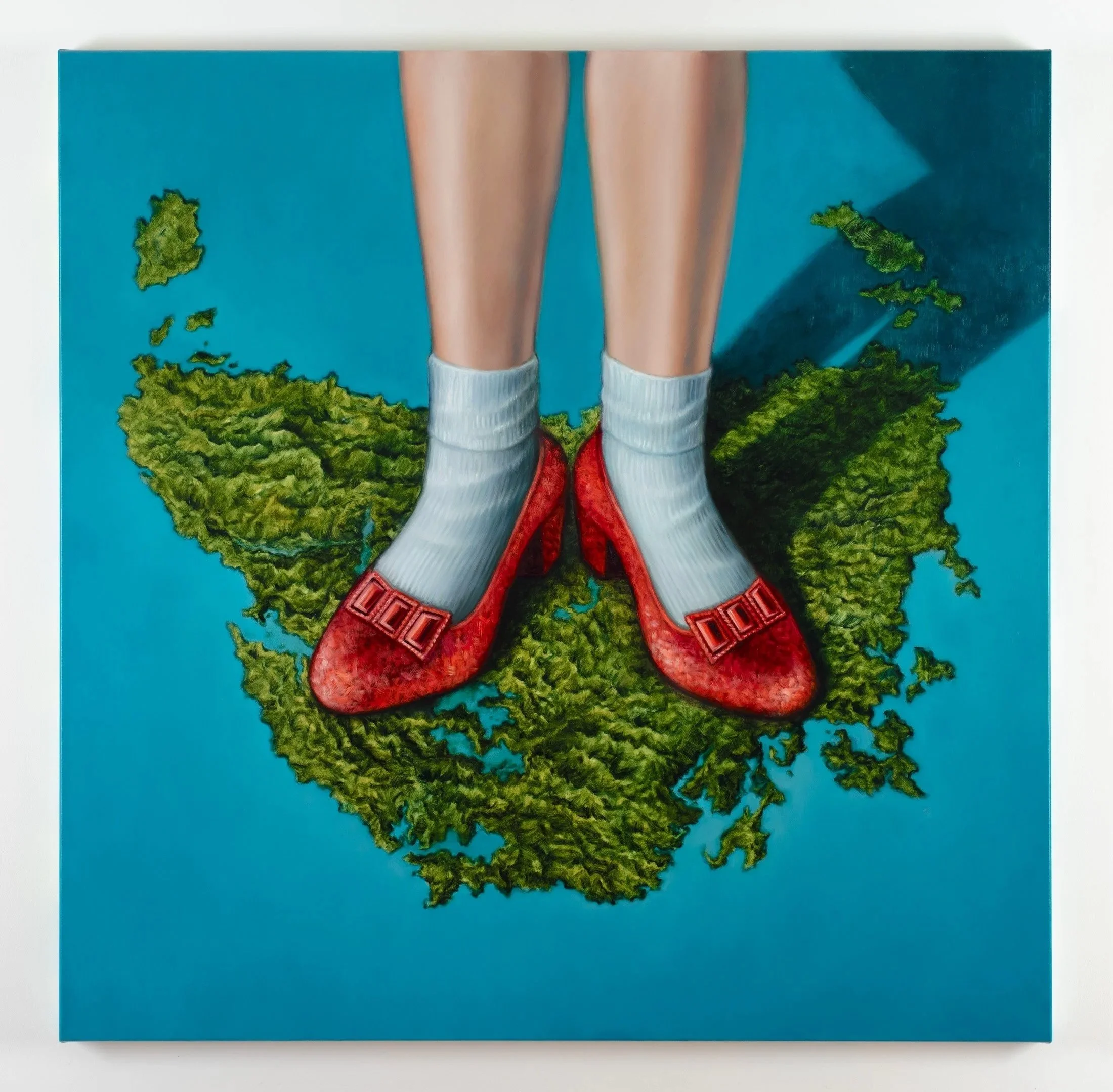
No Place Like Home (Lutruwita/Tasmania), 2025-2026, oil on linen, 137 x 137 cm
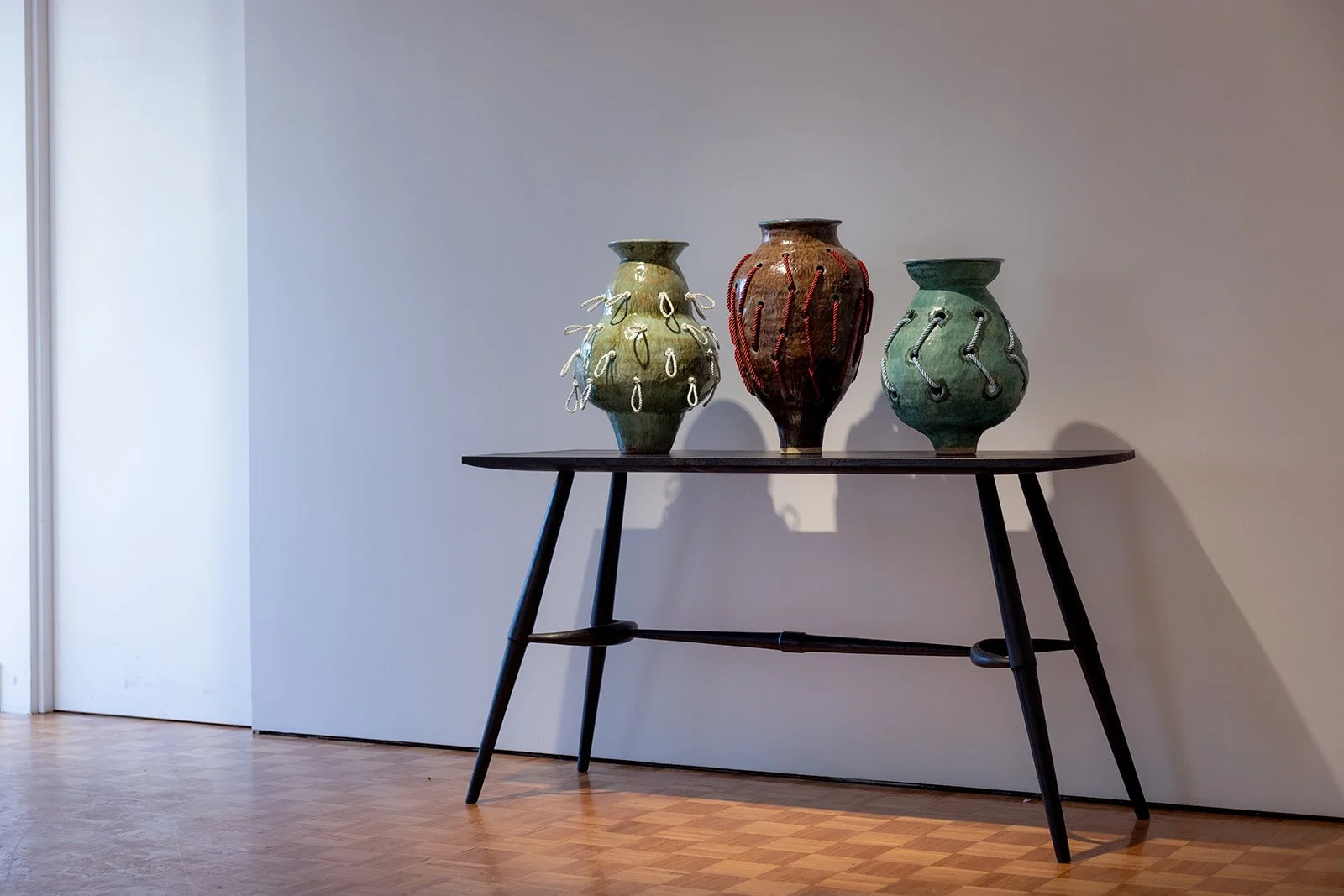
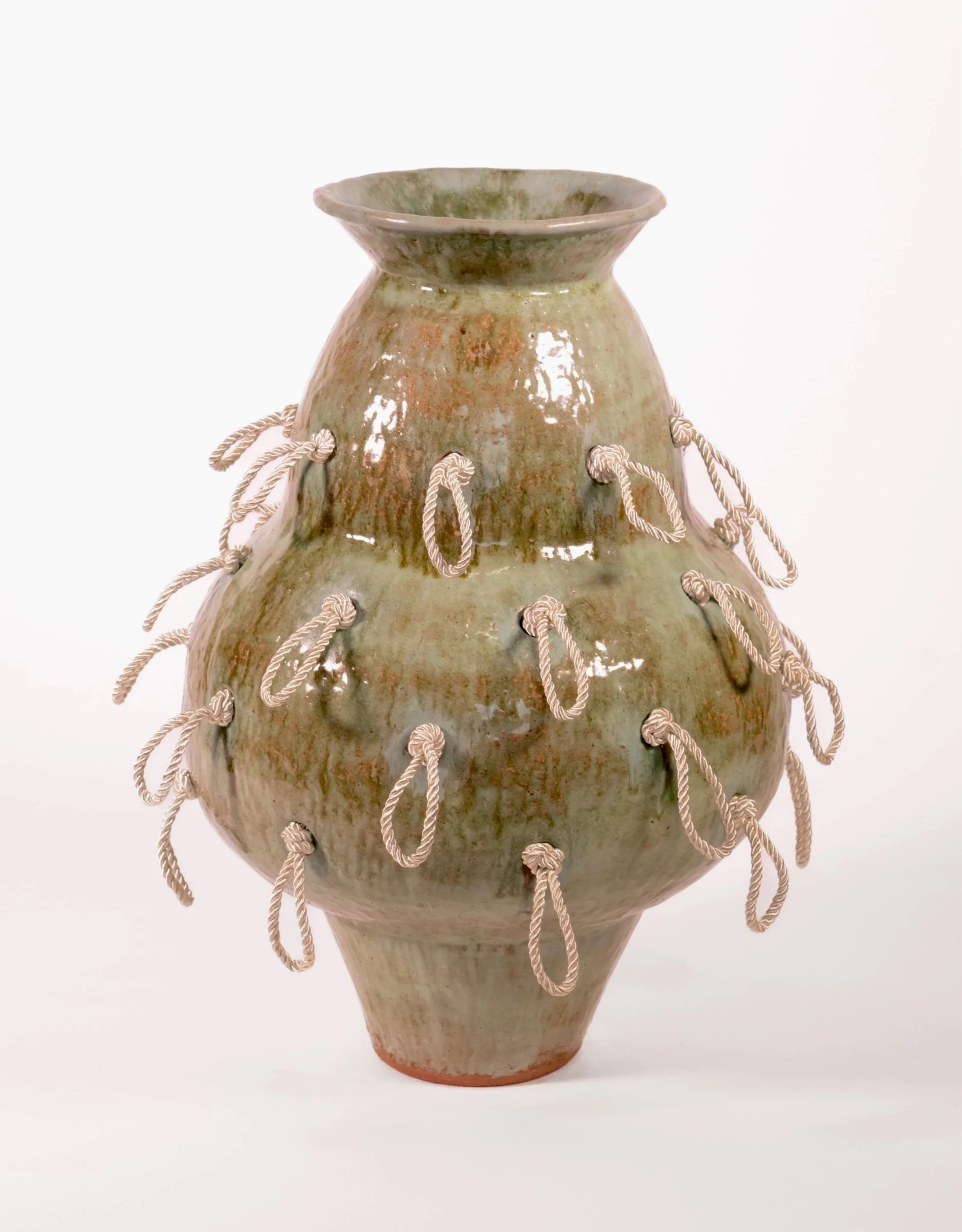
Pear, 2026, raku clay, mid fire glaze, twisted satin cord, 48 x 34 x 34 cm
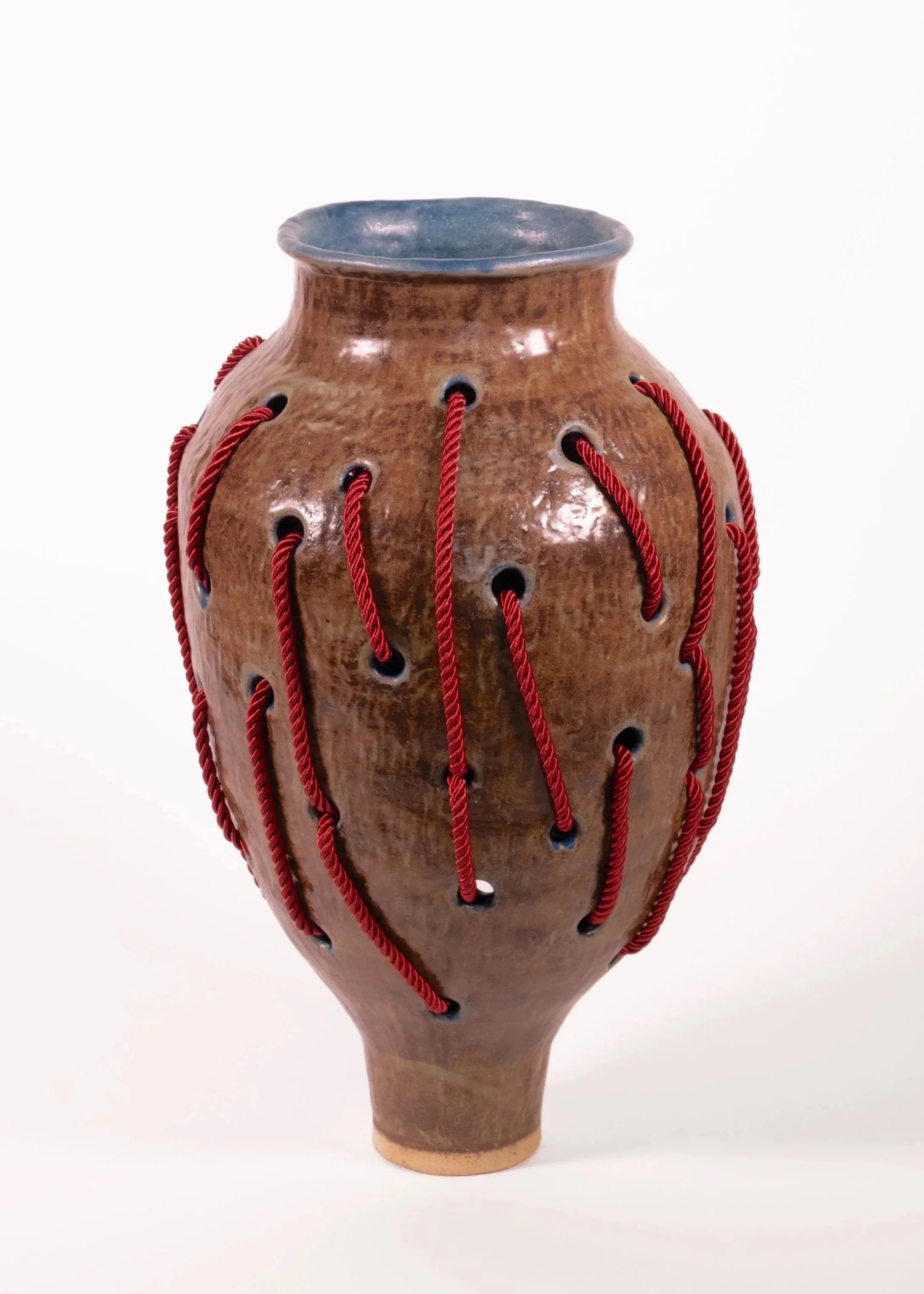
Bloodlines, 2026, raku clay, mid fire glaze, twisted satin cord, 53 x 33 x 31 cm
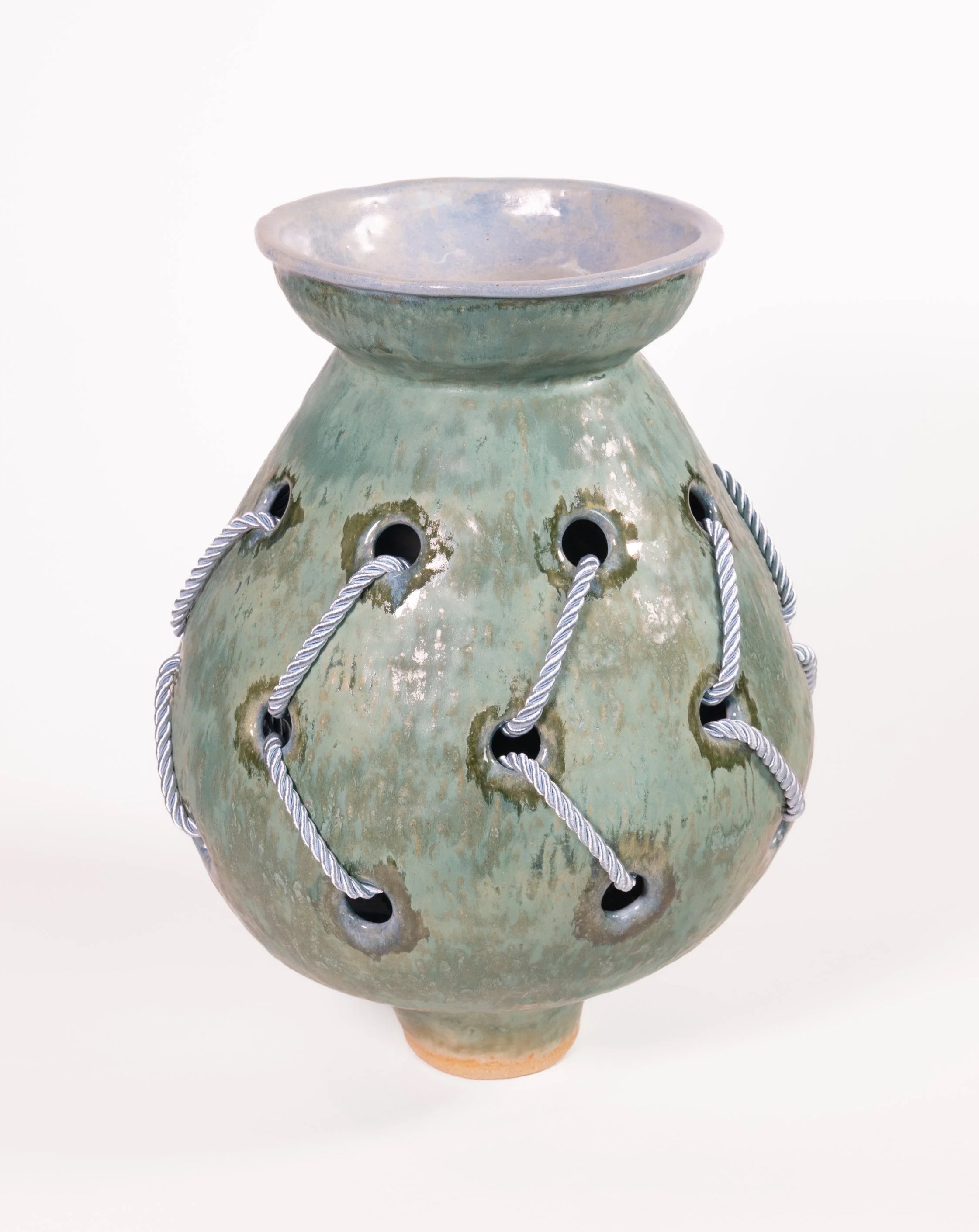
Ocean Borne, 2026, raku clay, mid fire glaze, twisted satin cord, 42 x 31 x 30 cm
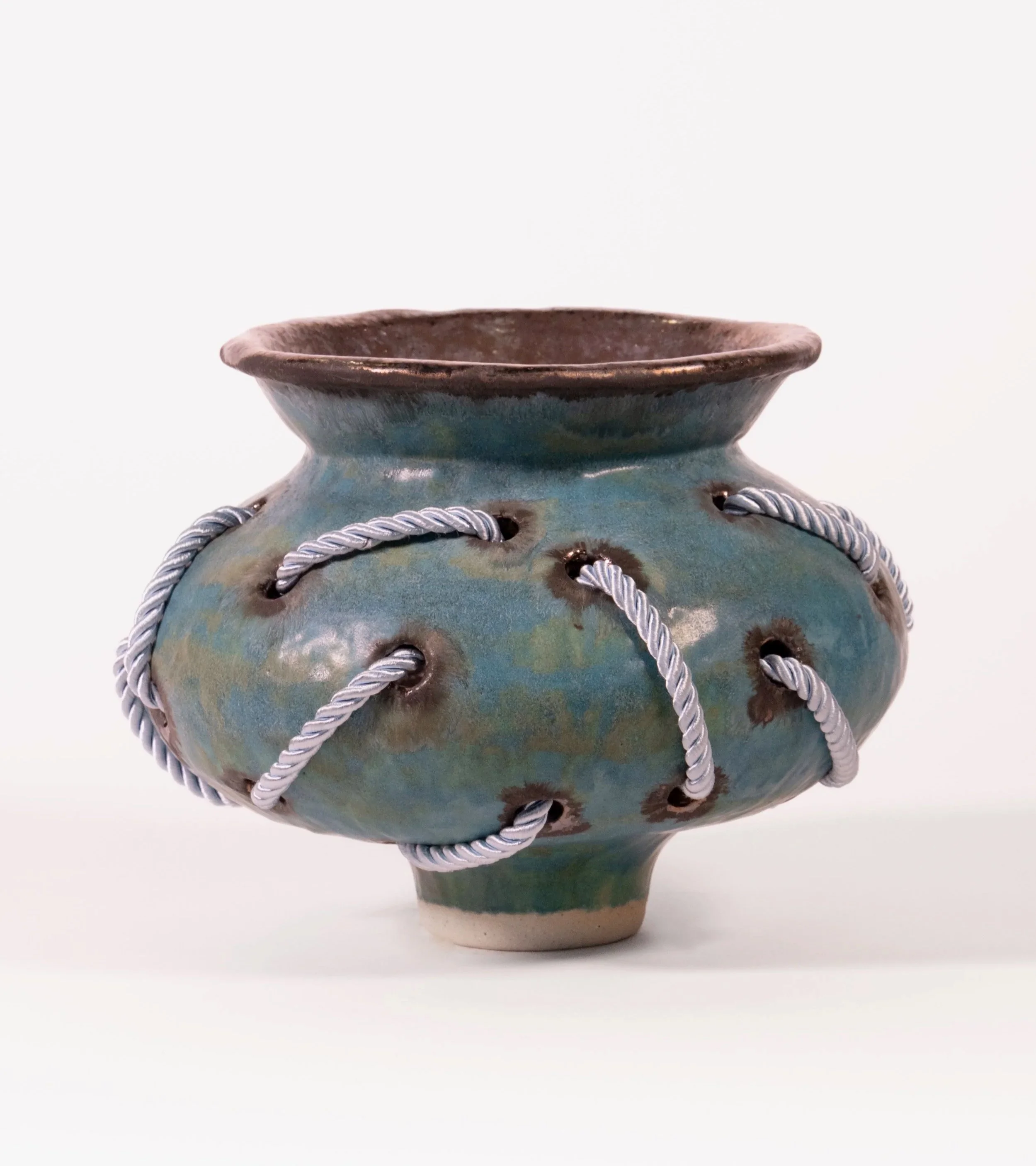
Undercurrent, 2026, raku clay, mid fire glaze, twisted satin cord, 21 x 25 x 25 cm
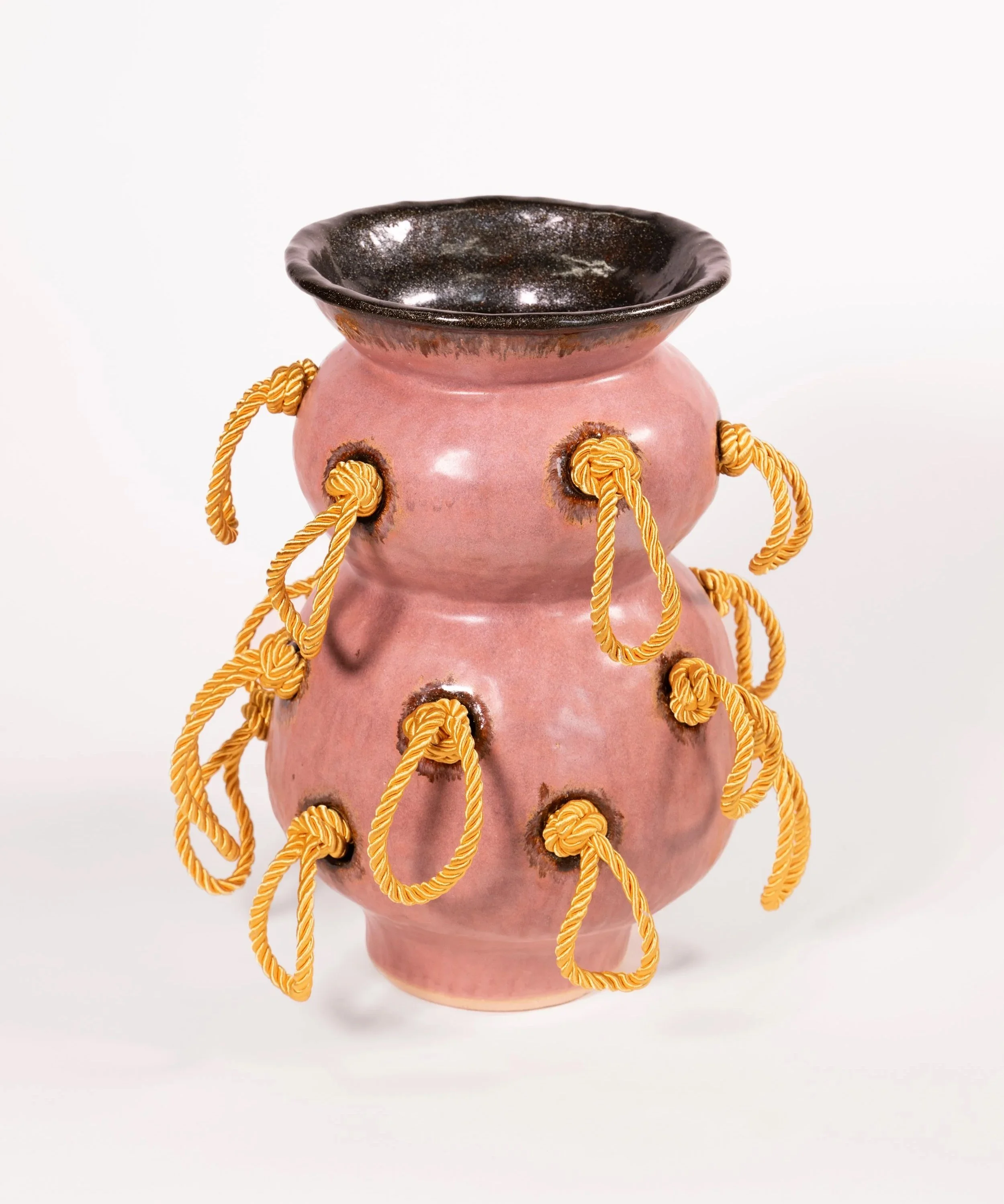
Proximity, 2026, raku clay, mid fire glaze, twisted satin cord, 35 x 26 x 26 cm
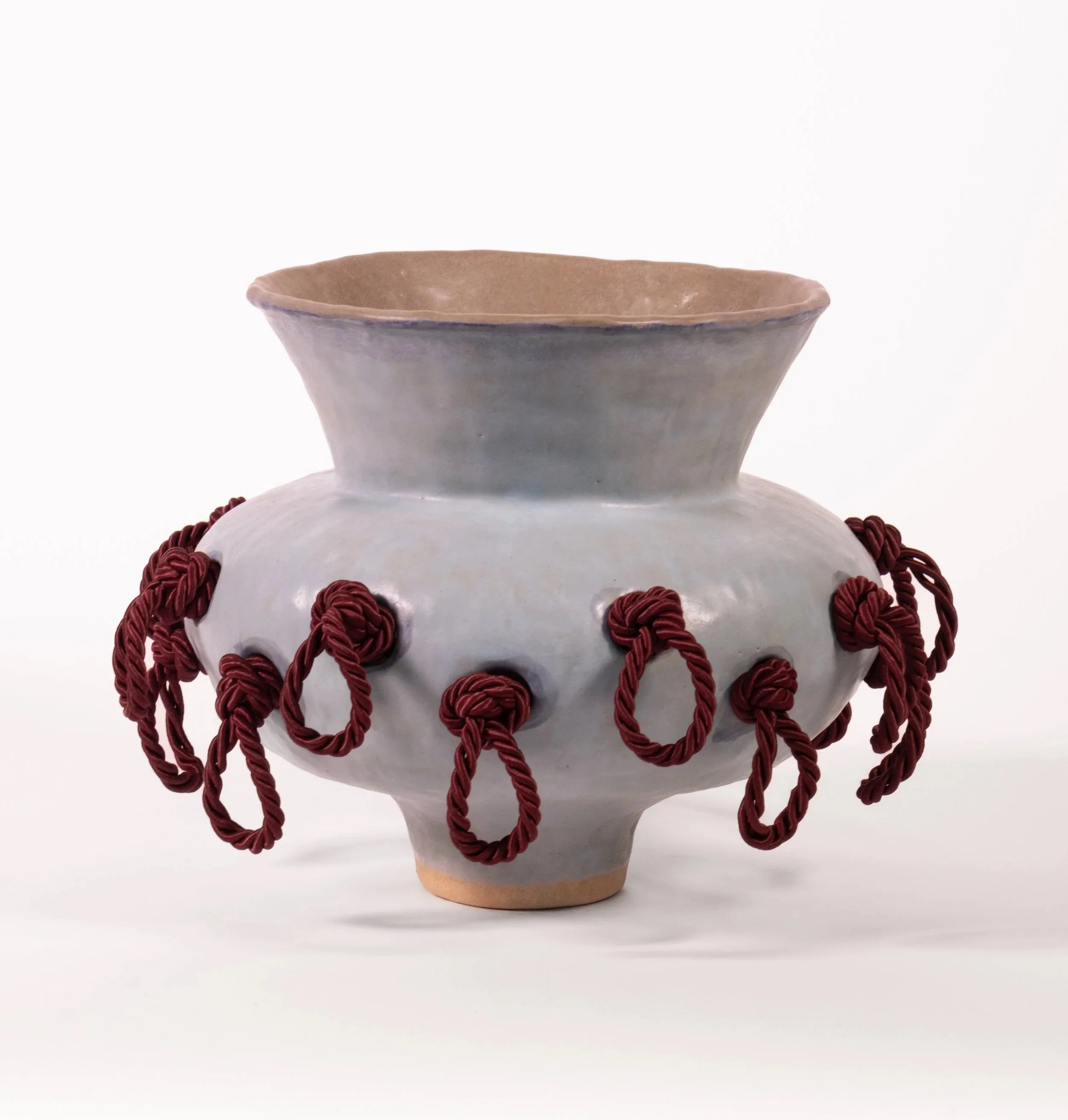
Tongue Tied, 2026, raku clay, mid fire glaze, twisted satin cord, 25 x 33 x 32 cm
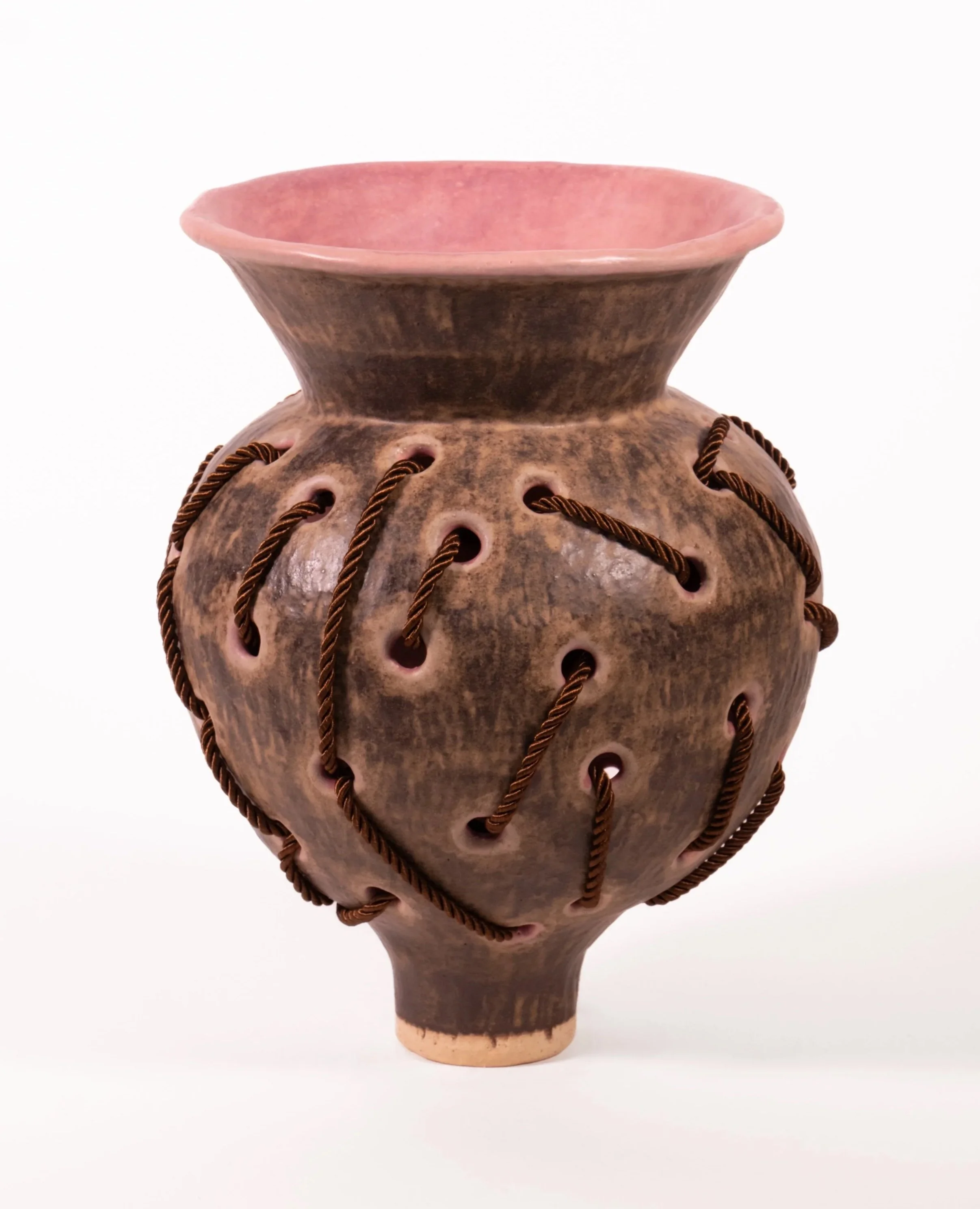
Earth bound, body bound, 2026, raku clay, mid fire glaze, twisted satin cord, 33 x 25 x 29 cm
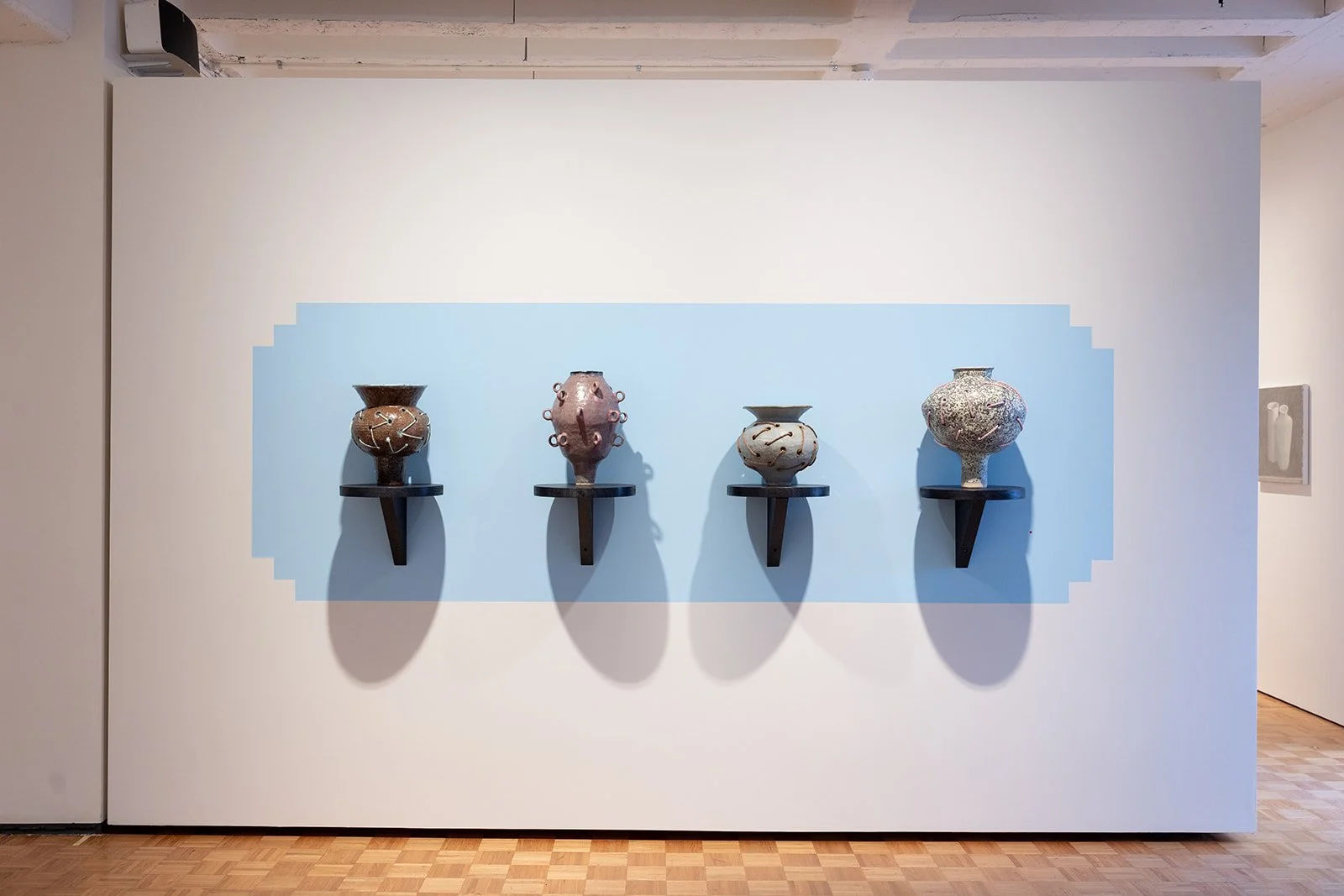
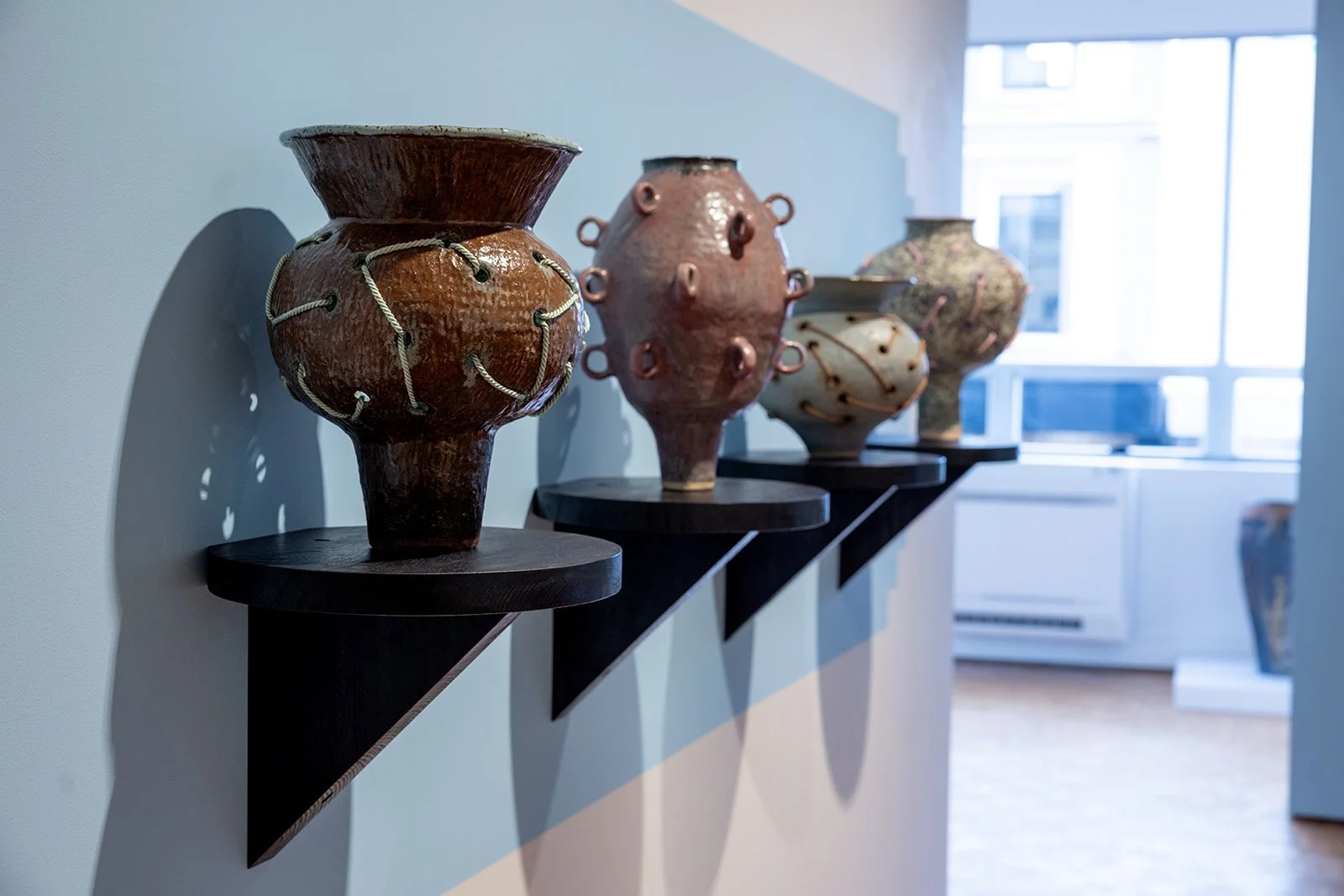
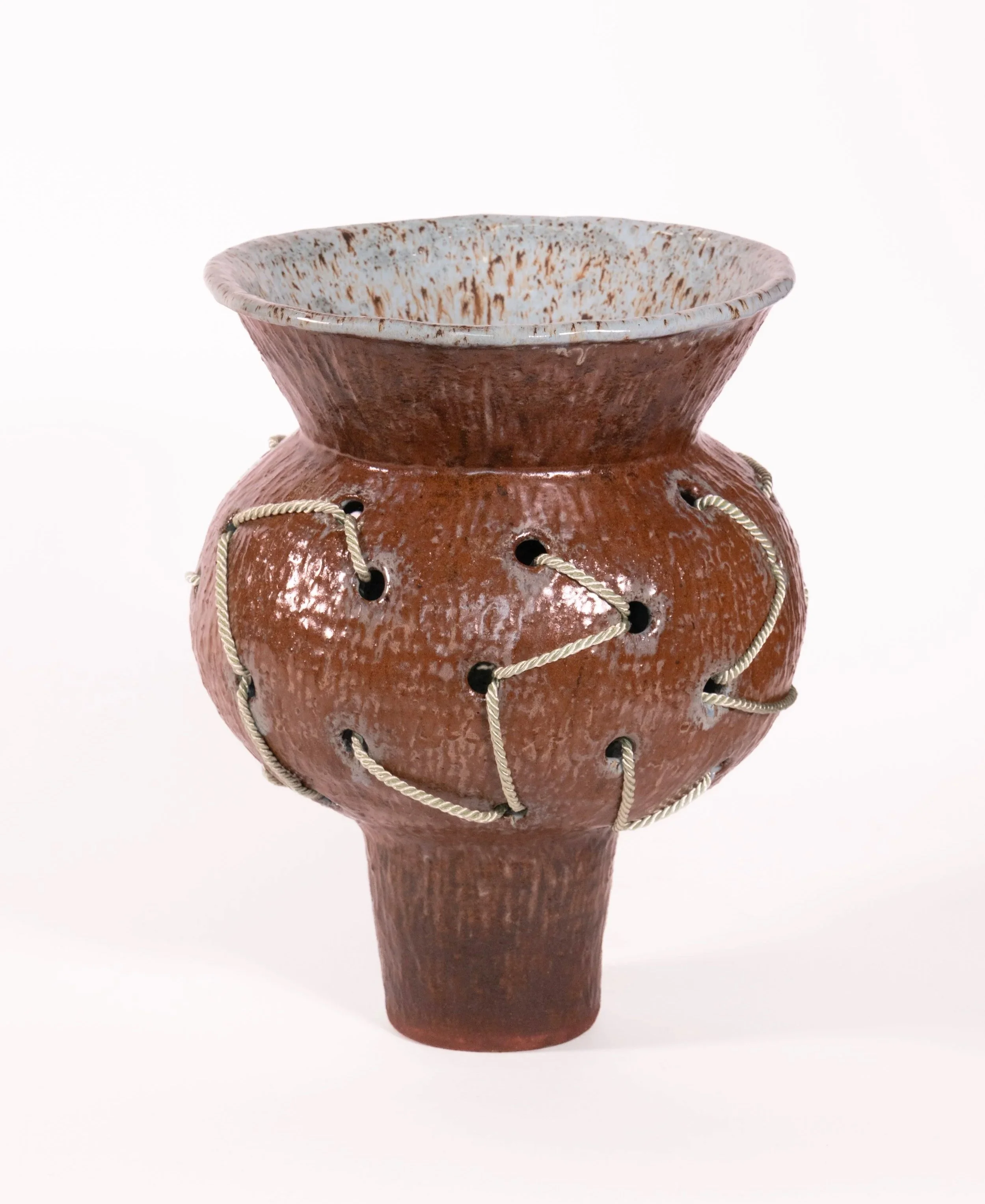
Sky Catcher, 2026, raku clay, mid fire glaze, twisted satin cord, 35 x 26 x 26 cm
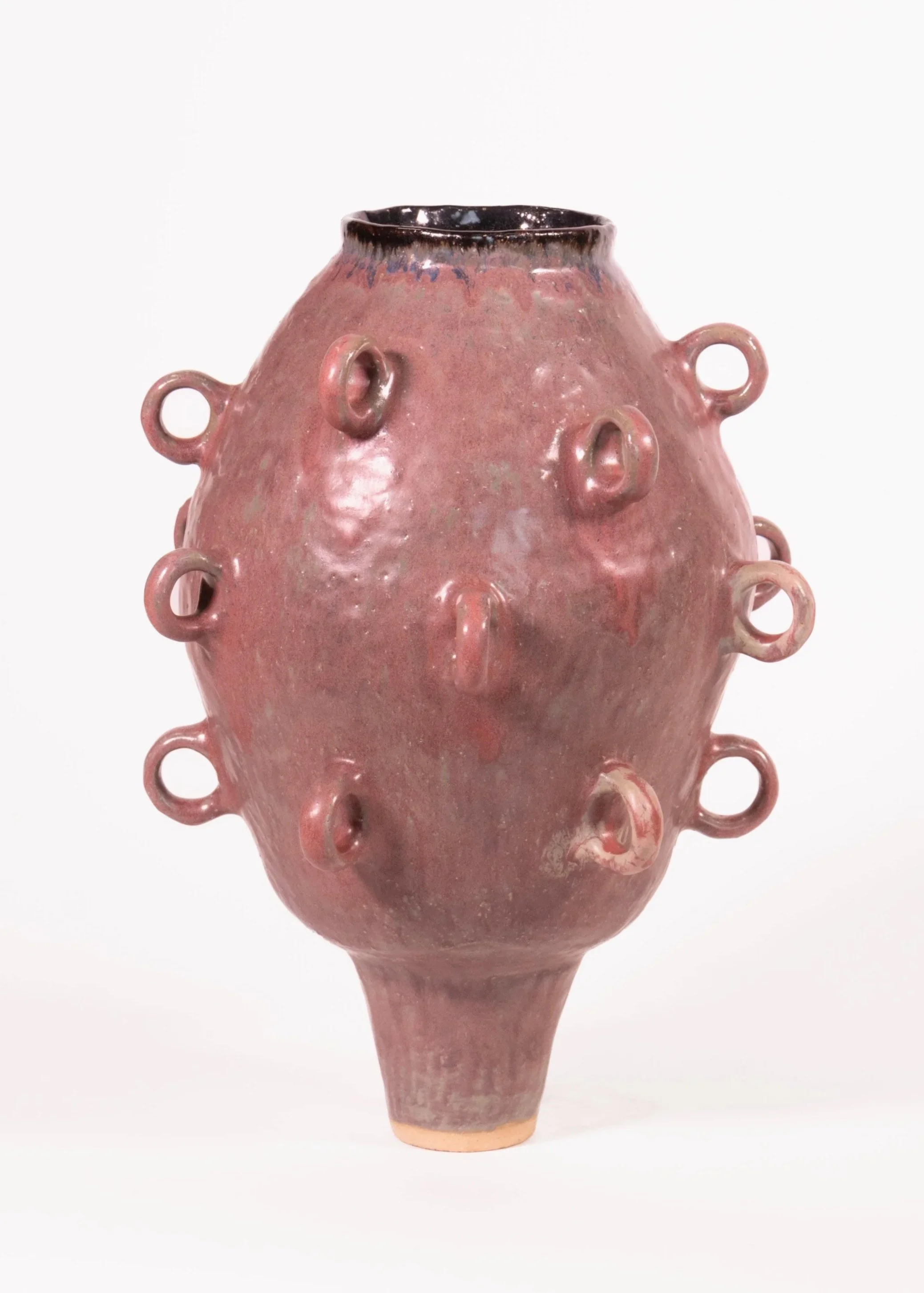
Labour of Love, 2025-2026, raku clay, mid fire glaze, twisted satin cord, 38 x 29 x 29 cm
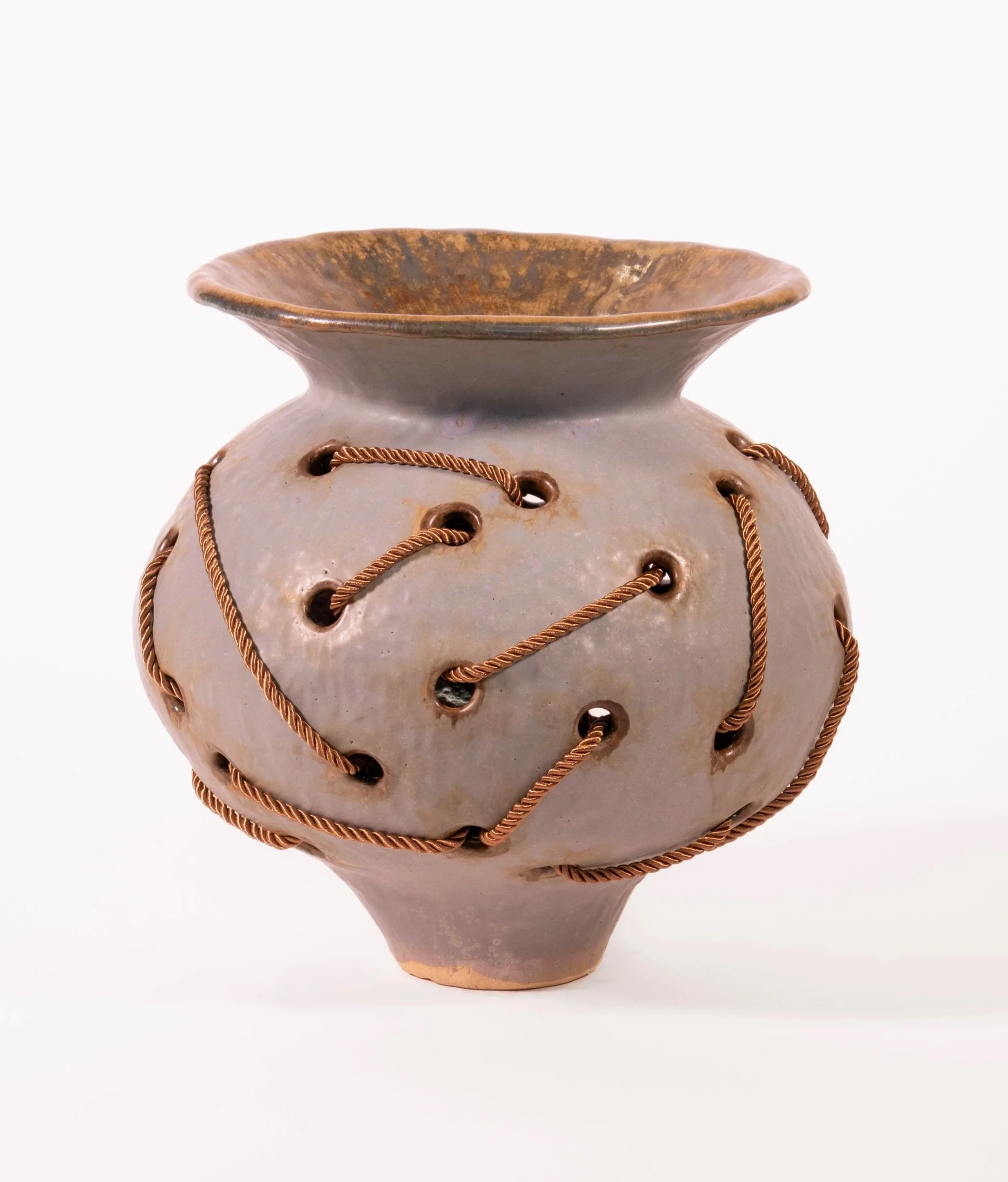
Holding Ground, 2026, raku clay, mid fire glaze, twisted satin cord, 29 x 28 x 28 cm
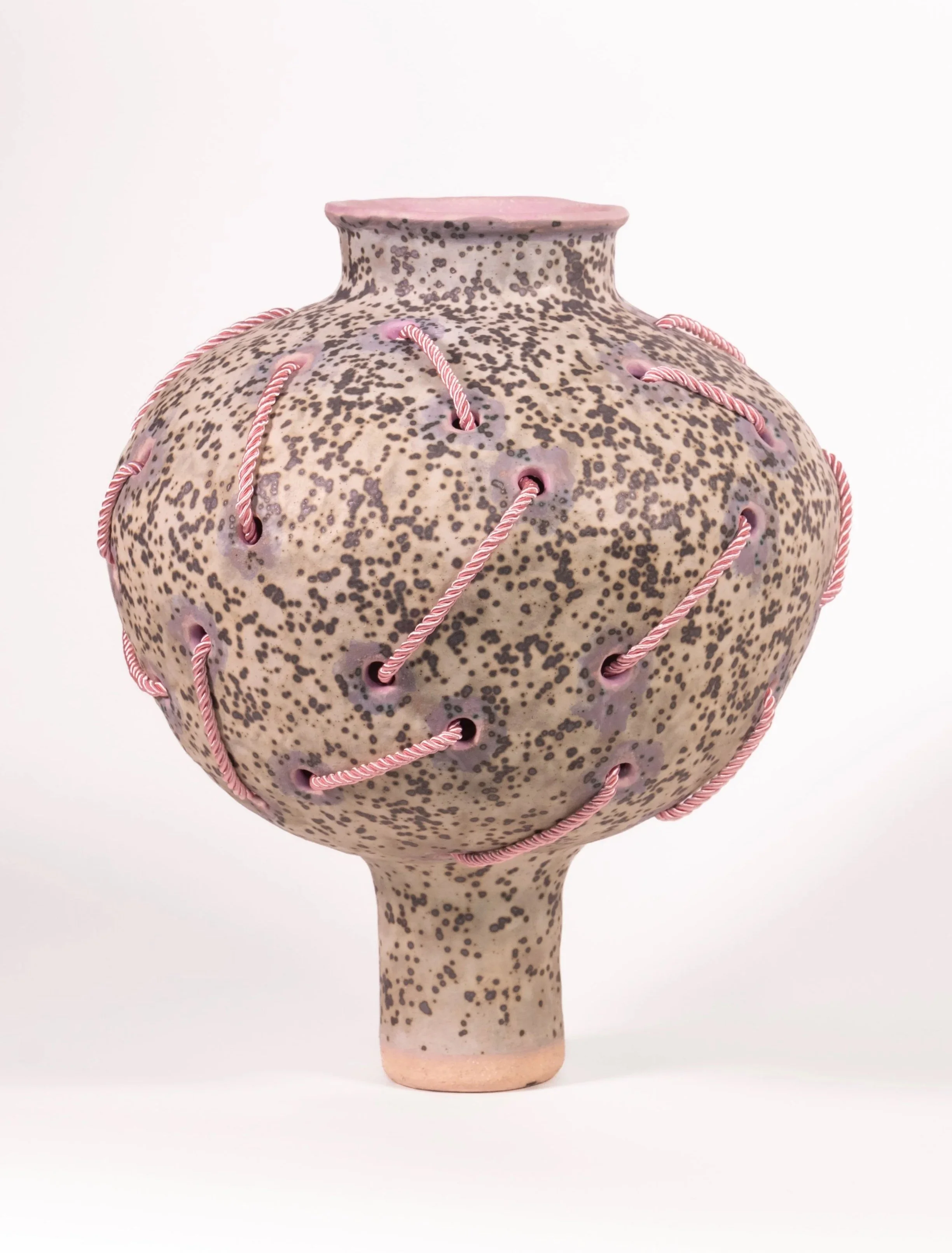
Moon Kiss, 2025-2026, raku clay, mid fire glaze, twisted satin cord, 43 x 34 x 34 cm
Mother’s Tongue
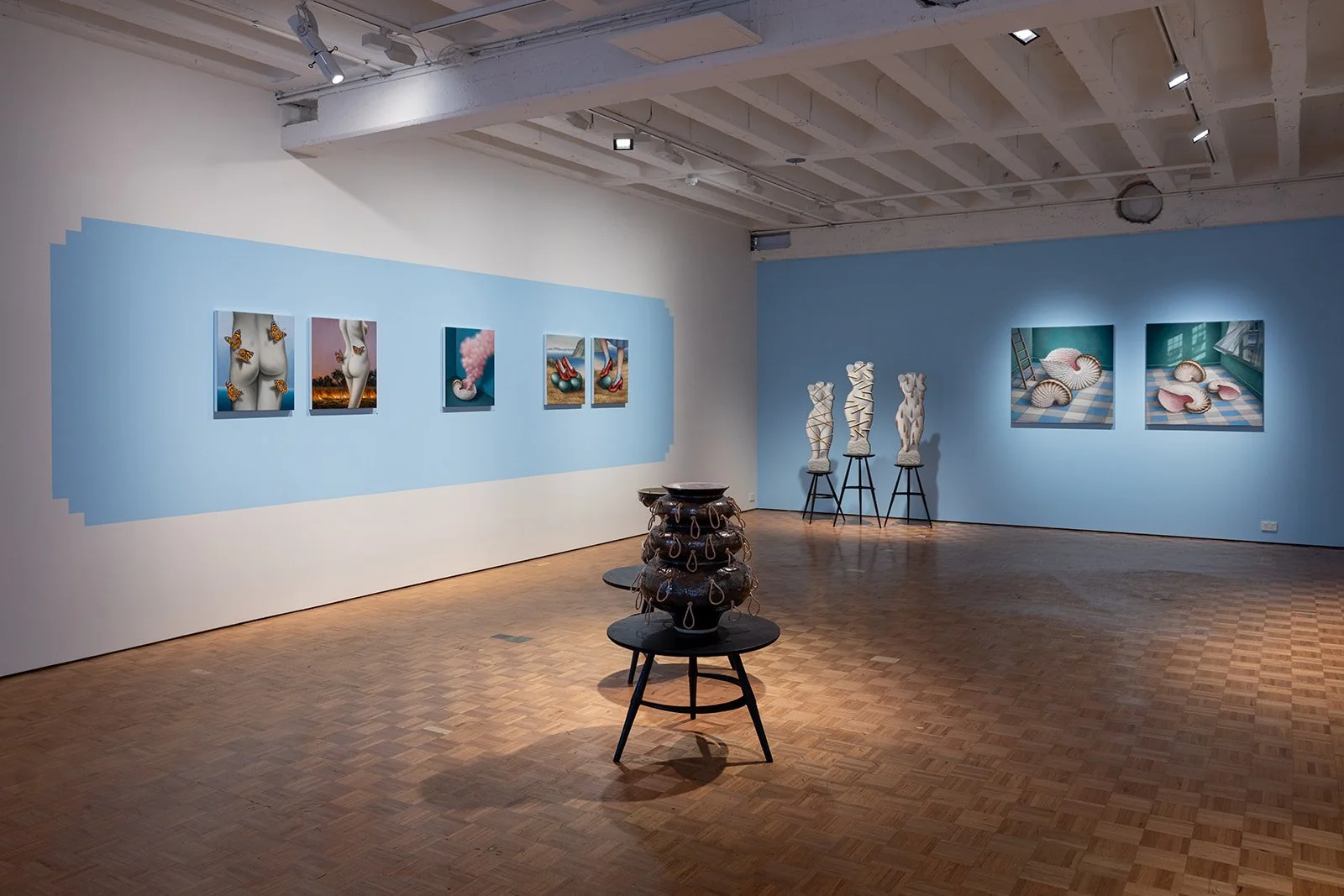
Mother’s Tongue considers personal, cultural and maternal notions of legacy and inheritance, blurring boundaries between histories and possibilities of place. This exhibition draws on European mythologies and ideals, art history, popular cultural narratives and the natural environment to interrogate the artist's own position as woman artist of recent migrant ancestry and the complexities of identity, place and belonging in settler-colonial Australia.
Looking for home in Mother’s Tongue: on memory, connection and belonging
Written by Eliza Burke, June 2026
When I visit Amber’s studio in preparation for ‘Mother’s Tongue’, she tells me she never learnt to speak Polish — her mother’s native language. With only one visit to Poland in her mid-20s and a scant understanding of Polish from listening to family conversations, her maternal homeland has long been a distant landscape. Making sense of her matrilineal ancestry has been a process of filtering ideas about home through objects, images and memories and navigating the meaning of her European roots in seIler-colonial Australia.
In ‘Mother’s Tongue’, the absence of matrilineal language is mediated through objects that evoke a strong sense of displacement alongside motofs of love, survival, fantasy, fragility and surrender. Drawing on surrealist histories, Koroluk-Stephenson’s images employ unexpected juxtapositions, distortions of scale and uncanny repetitions to explore the complex meanings of belonging and home. Her references range from the sensual classicism of Rayner Hoff’s Australian Venus (1927) to the pop-cultural symbolism of Dorothy Gale’s ruby red slippers, the colonial paintings of William Porden Kay and the mythology of the Greek Fates. Throughout the show, the feminine is a central force connectong art history, popular culture and biological forms, as she explores motherhood, sexuality and European ancestry as intertwined and, at times, uneasy terrains.
Symbols of the maternal abound in these works. Families of paper nautilus shells huddle in domestic rooms suggesting lineages or generations strangely displaced, a long way from their ocean home. Paper nautilus are not true shells made by molluscs. Rather they are special calcite cases produced by octopus mothers to incubate their eggs which they abandon when the eggs have fertilised, or they come under threat. In Koroluk-Stephenson’s images they evoke both narratives of survival and abandonment, the fragility of inheritance and the ways we carry our histories with us. Her titles Love is a Fortress I and II highlights the protective aspect of maternal love, echoing the mysterious sanctuaries of American surrealist Gertrude Abercrombie, or the impenetrable spaces of a dream. Tensions between domestic and biological forms and spaces are relieved only by the possibility of escape through windows or up ladders, and the suggestion of another, perhaps unknowable world beyond the frame.
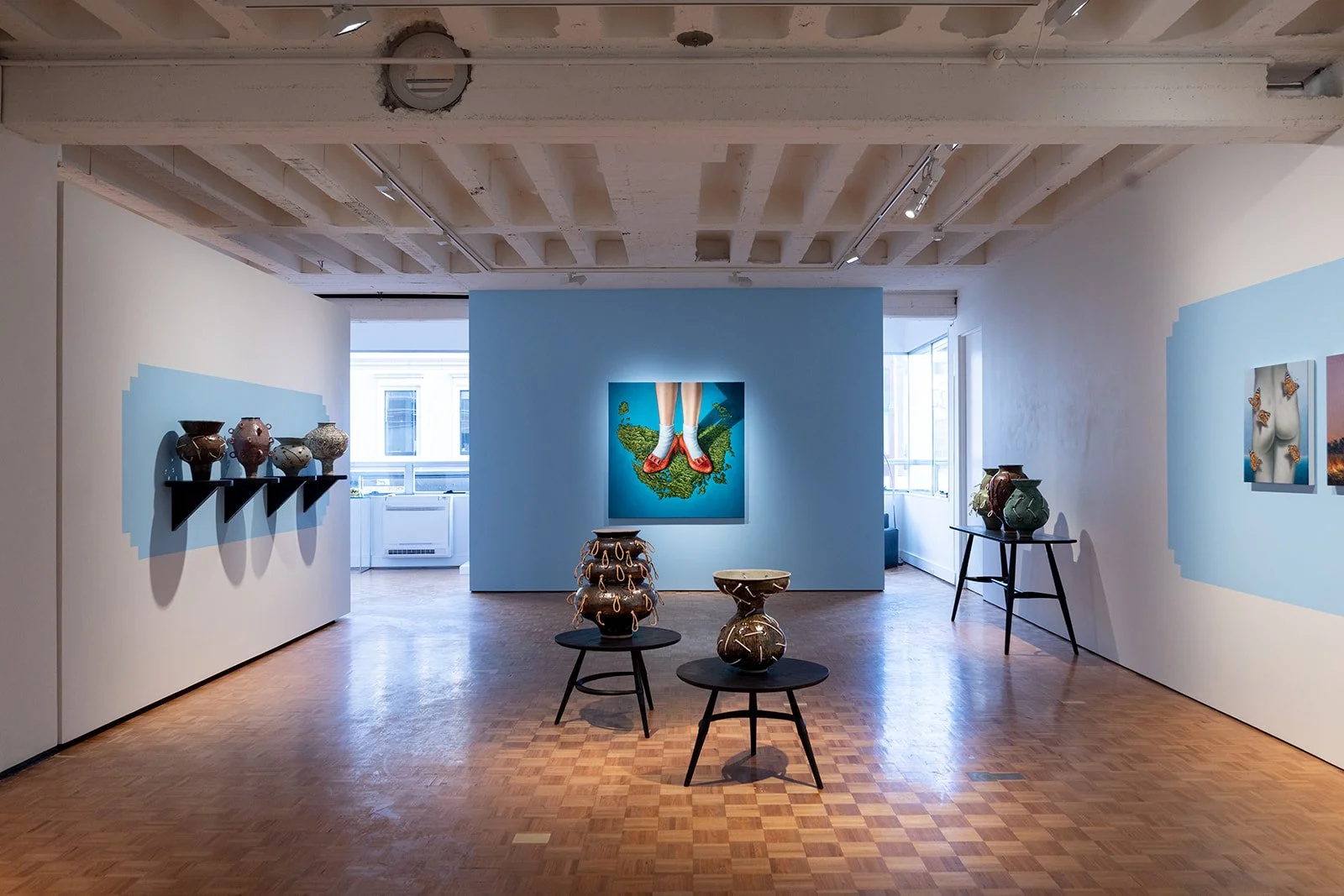
Further questions of belonging and home are explored through symbols and fantasies available in cultural memory. Koroluk-Stephenson stages Dorothy’s ruby slippers from The Wizard of Oz against the last known colonial image of emus in Lutruwita/Tasmania painted by William Porden Kay in the 1840s. Such provocative juxtapositions create tensions between the fantasy of home as it appears in pop culture and the colonial histories of violence and extinction embedded in Lutruwita/Tasmania’s landscape. Koroluk-Stephenson’s image of Dorothy stepping on the emu eggs in Brooding at Stanley, after William Porden Kay echoes both the destructive impact of colonial power in Lutruwita / Tasmania and the Anglo-European problem of belonging here in the face of such histories. Her bold No Place Like Home, Lutruwita/Tasmania enlarges these concerns as Dorothy’s famous phrase ‘there’s no place like home’ becomes ironic, even impossible when one’s maternal homeland is out of reach, and there really is no place like home. For Koroluk-Stephenson the question of home in Lutruwita/Tasmania is shaped by ancestry that lies elsewhere and the broader legacies of colonisation as she queries the myth that home is a place one can simply return to with a click of the heels.
Legacies of Europe and colonialism are also explored in Colour Fix I and II, and Threads of Fate based on appropriations of Rayner Hoff’s Australian Venus (1927). These works extend Koroluk-Stephenson’s interest in Hoff’s sculpture as an ideal inherited from Europe and the challenge of situating such ideals within Australian cultural contexts. Foregrounding enlarged images of Venus against backdrops of Australian landscapes, her reference to ‘colour fixing’ suggests an ambivalence about theseideals and their link to racialized histories of whiteness within classical sculpture. Obstructing the view of burning plains and blue horizons, Venus’s sensual form evokes the persistent influence of European myths and white modernist views of landscape in Australia. In light of these troubled inheritances, her ‘painted lady’ butterflies suggest both fragility and the need for resilience as a white Australian female painter in coming to terms with their legacy.
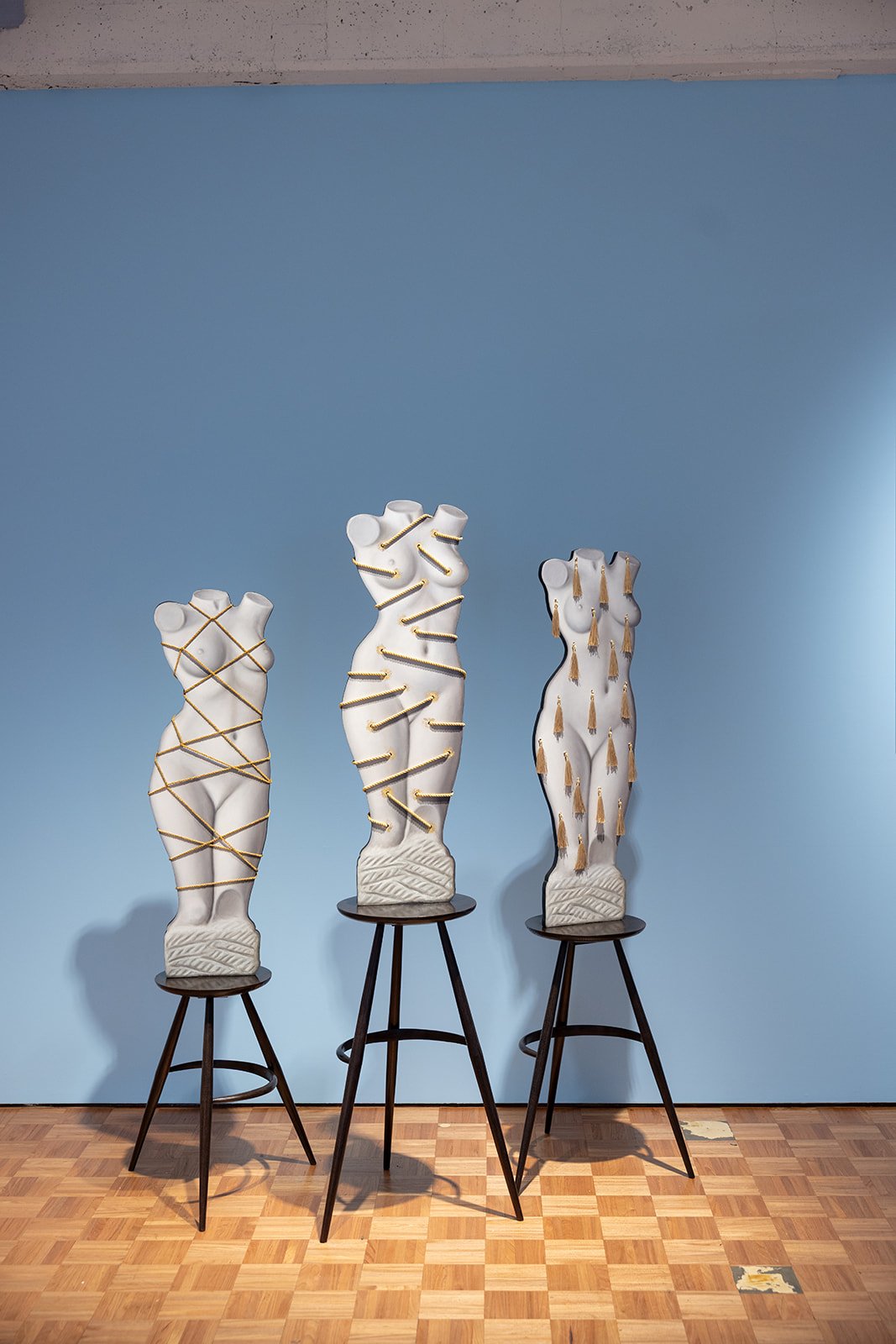
Such ambivalence about Europe is continued in Threads of Fate (Australian Venus after Rayner Hoff) and her series perforated vessels. Disrupting Hoff’s smooth, sexualised Venus, Koroluk-Stephenson’s figures appear as cut-out, bound forms, more stage props than fully fleshed figures, mimicking a sense of place. Identifying these figures as the Greco-Roman Fates—Clotho, Lachesis and Atropos— Koroluk-Stephenson proposes an alternative to Venus, where the feminine is associated with weaving the patterns of human life, holding supreme power over birth, destiny and death. As a group they embody the ancient principles of natural order and balance that govern human lives and the idea that we are inevitably bound to our destiny.
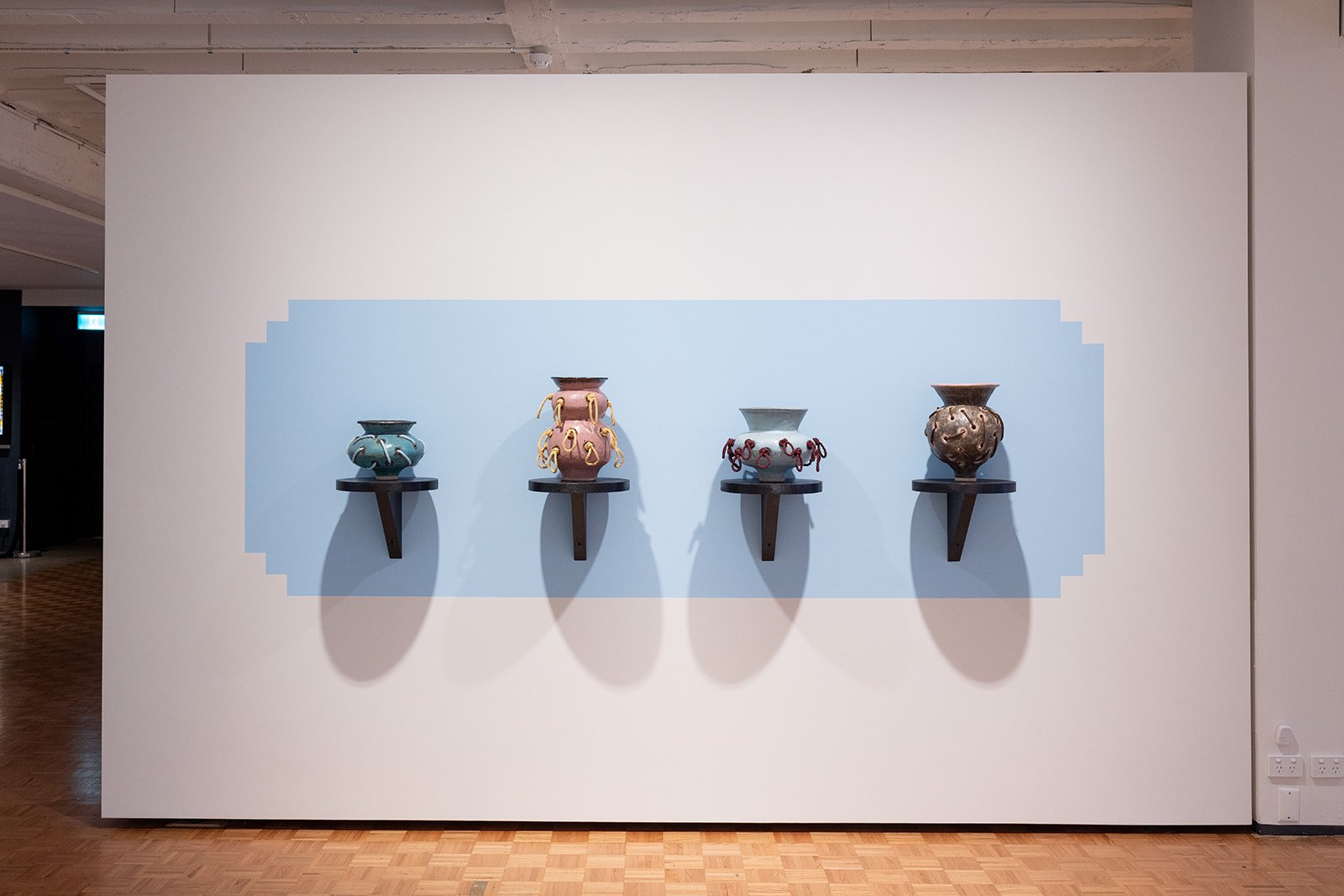
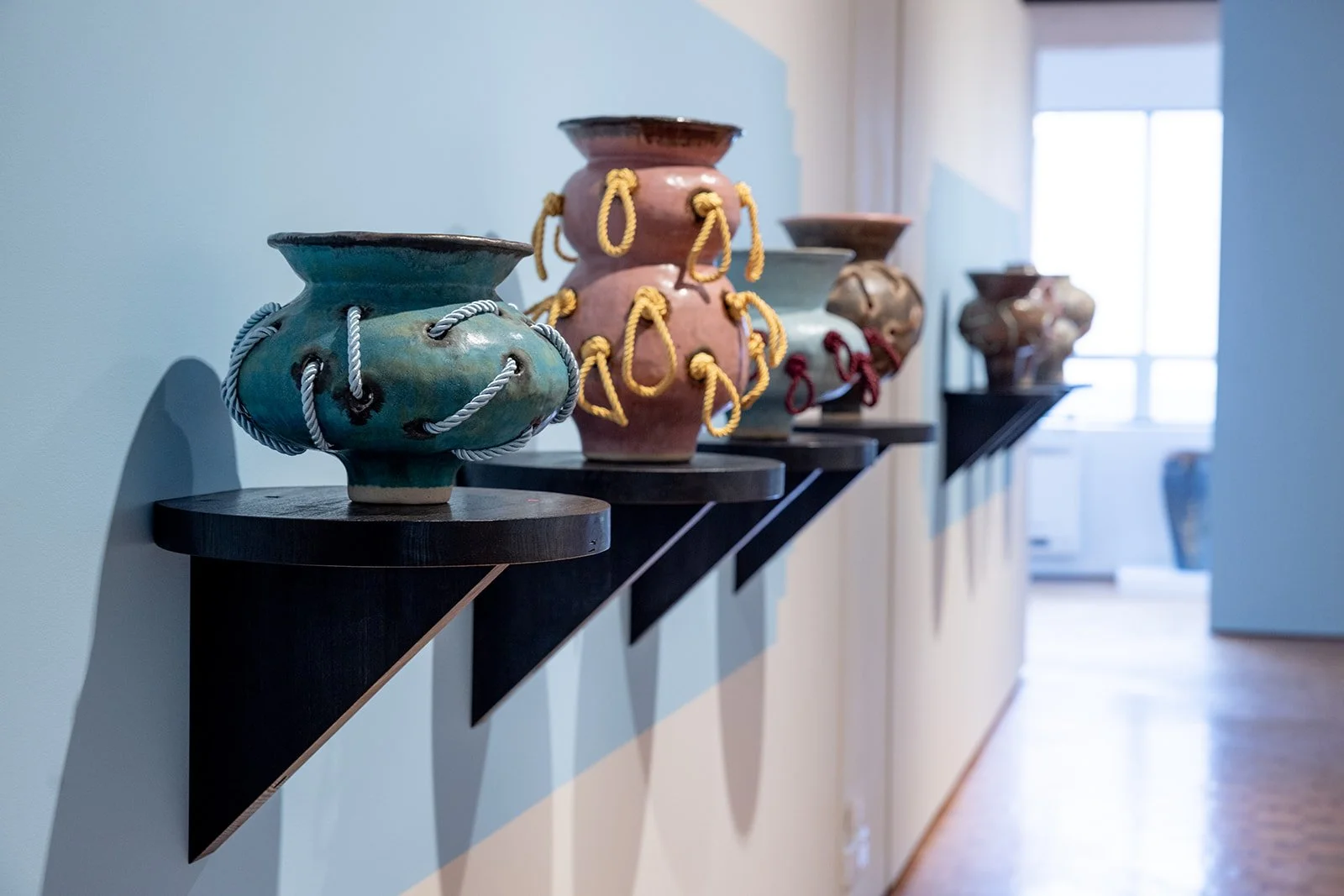
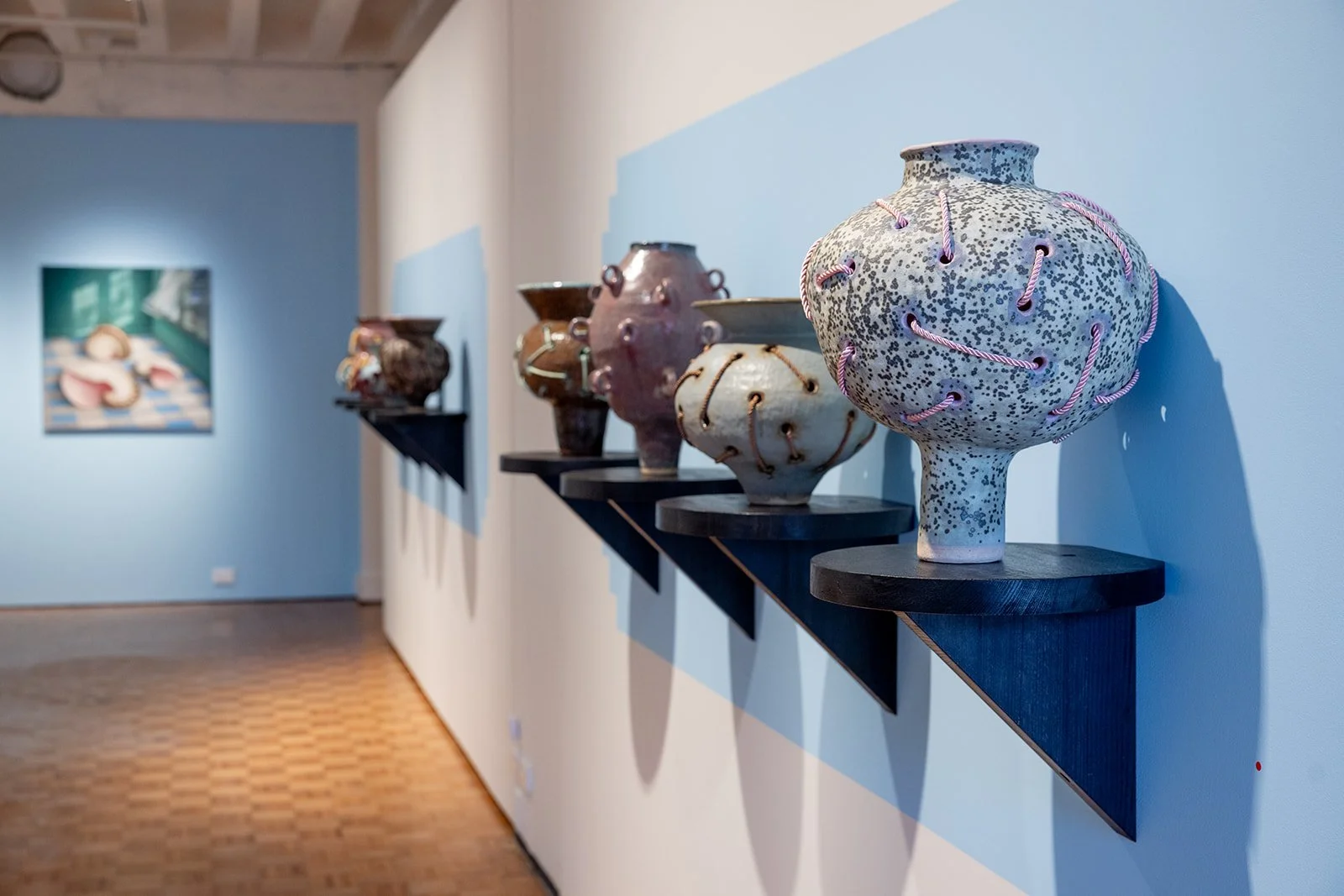
Such powers of the feminine can also be found in her sensual clay vessels threaded with rope. Offering a profound archaeology of the self, these forms explore interconnectedness between history, memory and the body, and the ways connection can be both found and lost, yet unable to be fully contained. Hand-built from clay, the vessels return us to the primordial connections between language and the body with titles such as Bloodlines, Tongue Tied, Cradle and Babushka referencing the body and notions of care. Other vessels such as Ocean Borne, Sky Catcher and Holding Ground suggest earthly spaces that support and sustain life and a return to the elements as the keepers of knowledge. These works evoke tensions between fullness and emptiness, fertility and futility, with their holes hinting at the porousness of memory and history or anxieties about losing connections andbloodlines across generations.
‘Mother’s Tongue’ is a language of interconnections, uncanny absences and traces of Europe staged against a backdrop of settler-colonial anxiety. It is a personal language that speaks of maternal inheritance as an object of both anxiety and love, and a way of navigating the complex territories of the self. At times the exhibition reveals the strangeness that resides within the self, the ‘other’ hidden within ‘mother’, and the spaces that appear in the search for belonging. At other times its playful images seduce us with familiar motifs and unexpected arrangements telling stories of legacy and survival. The works in ‘Mother’s Tongue’ slip between worlds, offering poetic meditations on identity, inheritance and the search for a place to call home.
Painting documentation courtesy of Bett Gallery
Pottery documentation by Ivett Dodd
Installation photos by Rosie Hastie

This project was assisted through Arts Tasmania by the Minister for the Arts.