Homing Instincts
Woollahra Gallery at Redleaf, Double Bay, Gadigal/Sydney
7 May - 1 June 2025
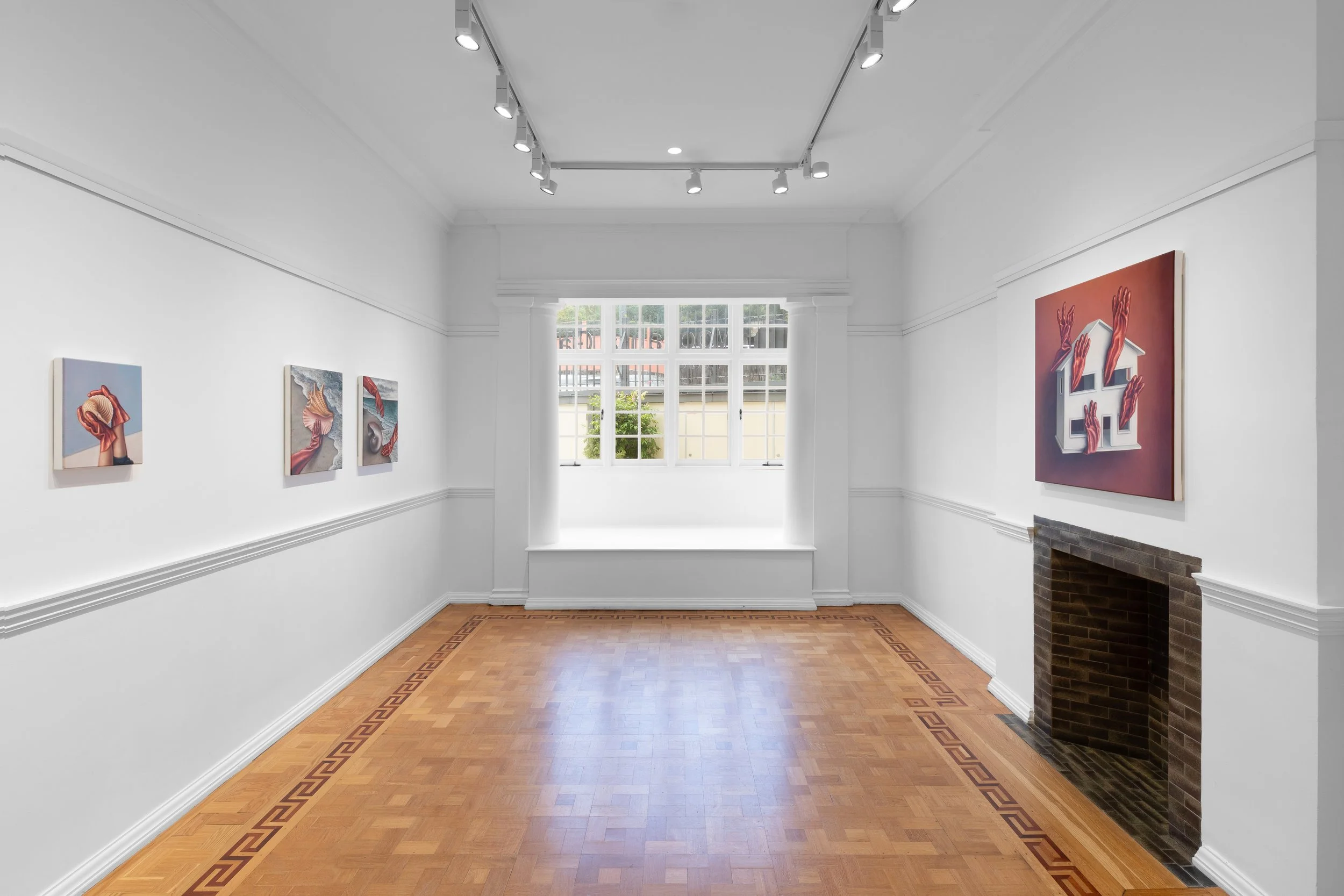
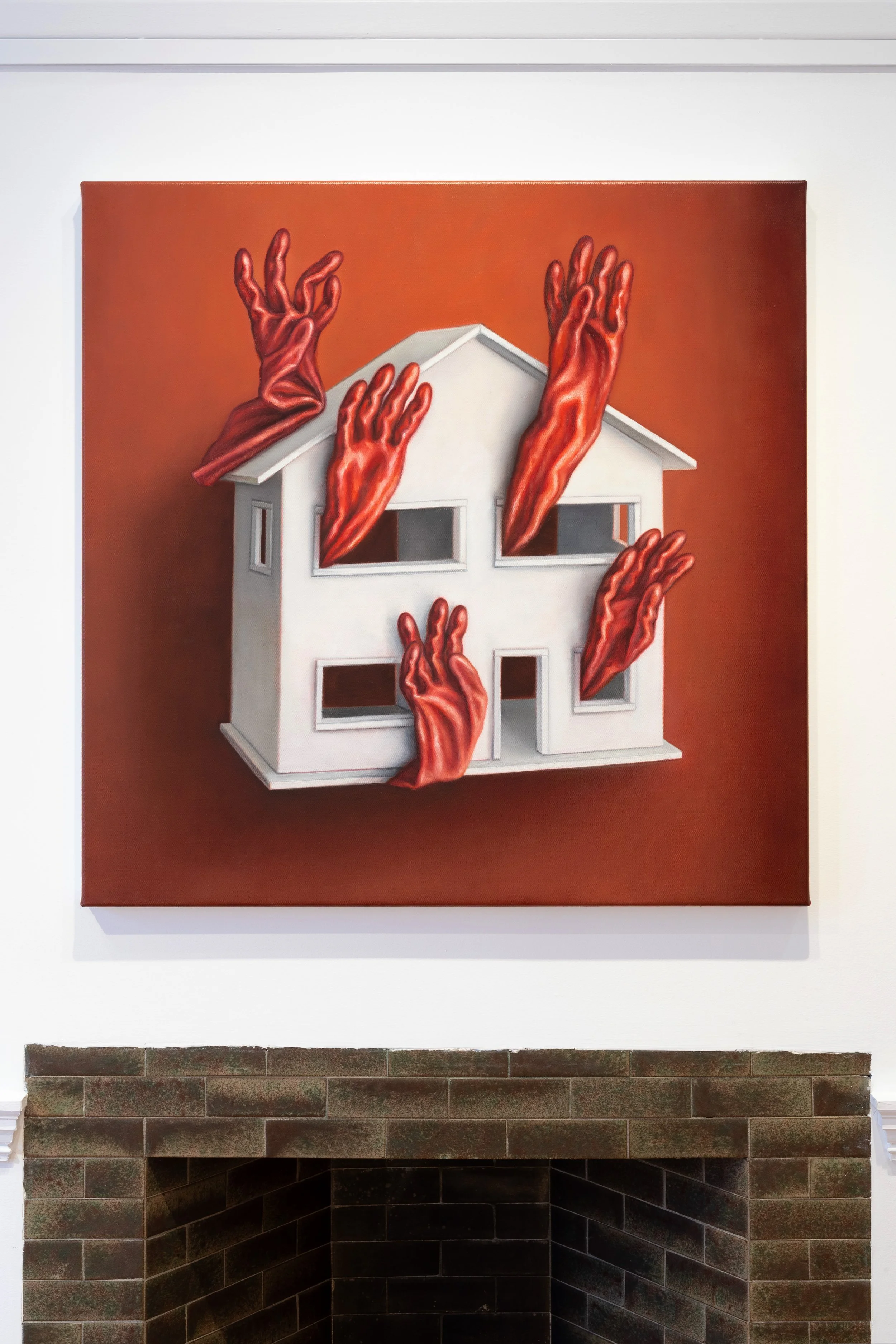
Tinderbox, 2025, oil on linen, 91.5 x 91.5 cm
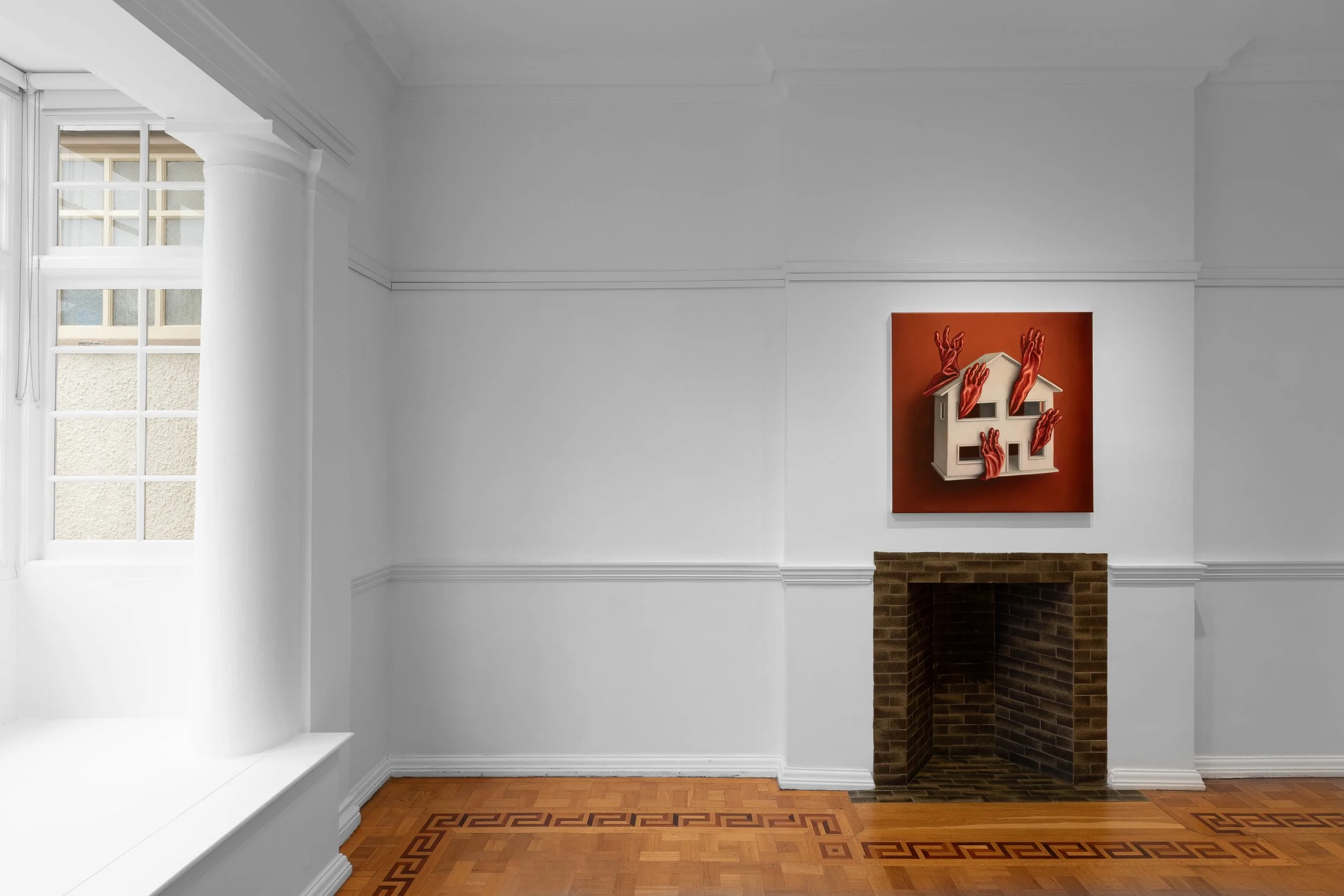
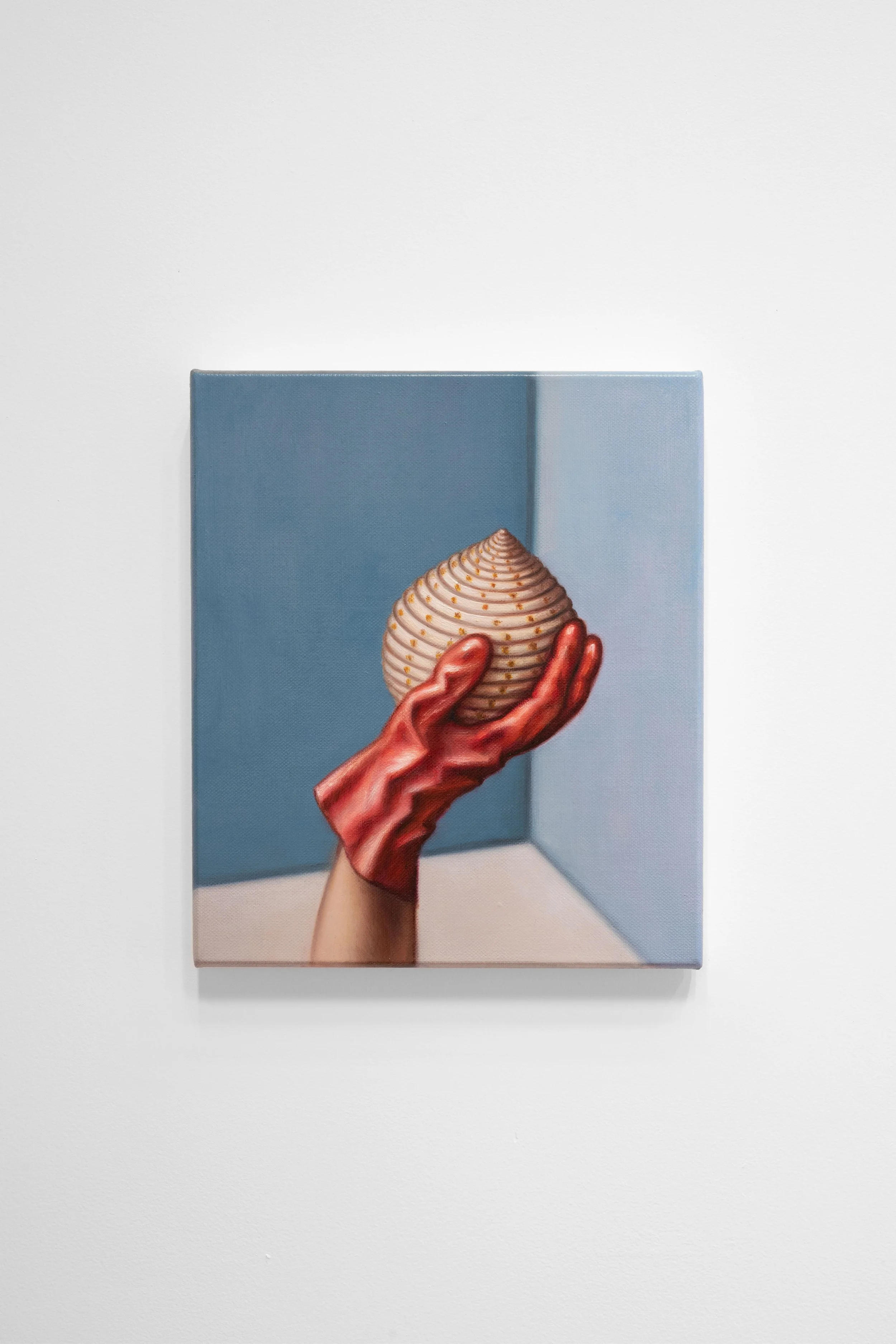
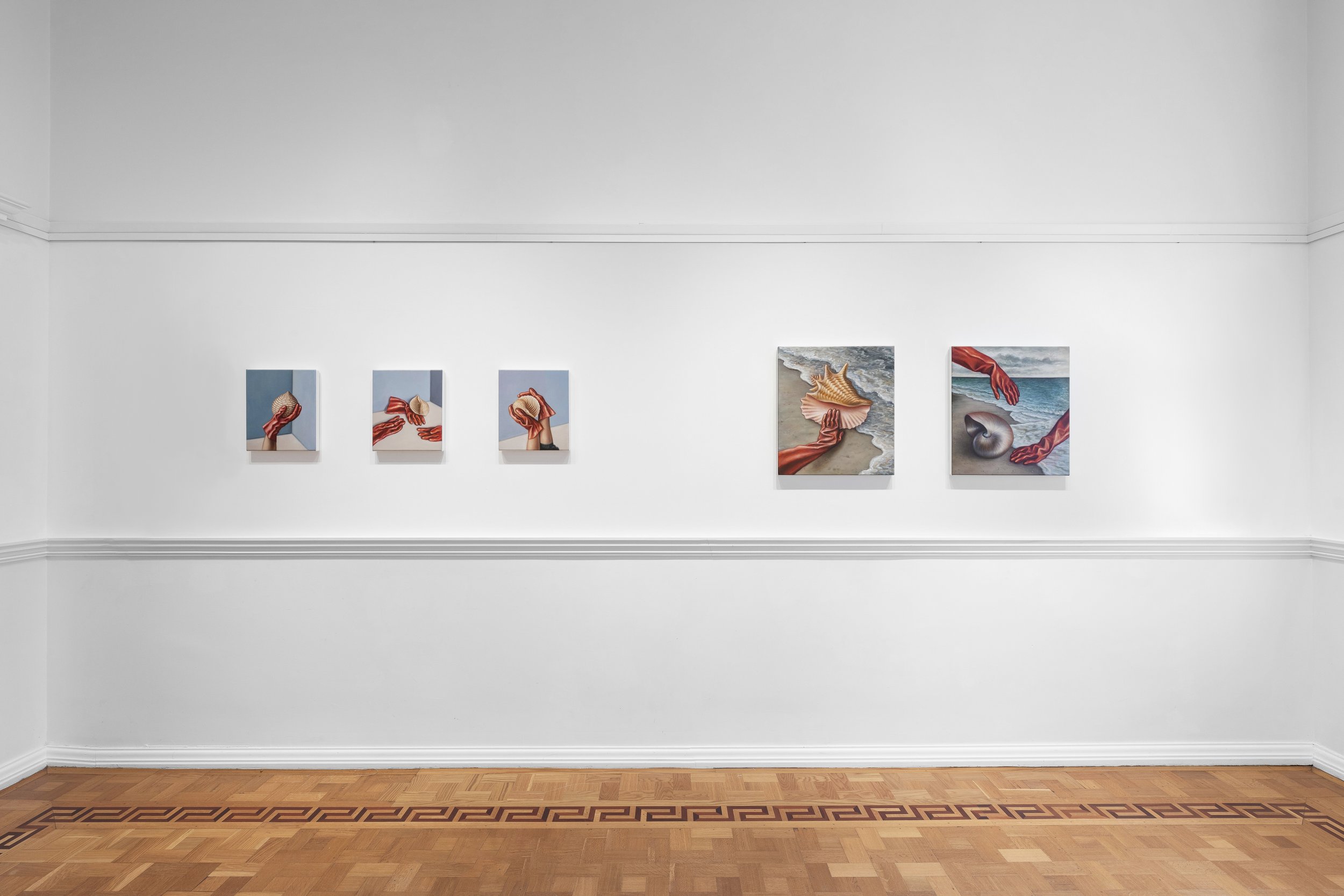
Unicorn, 2025, oil on linen, 36 x 30.5 cm
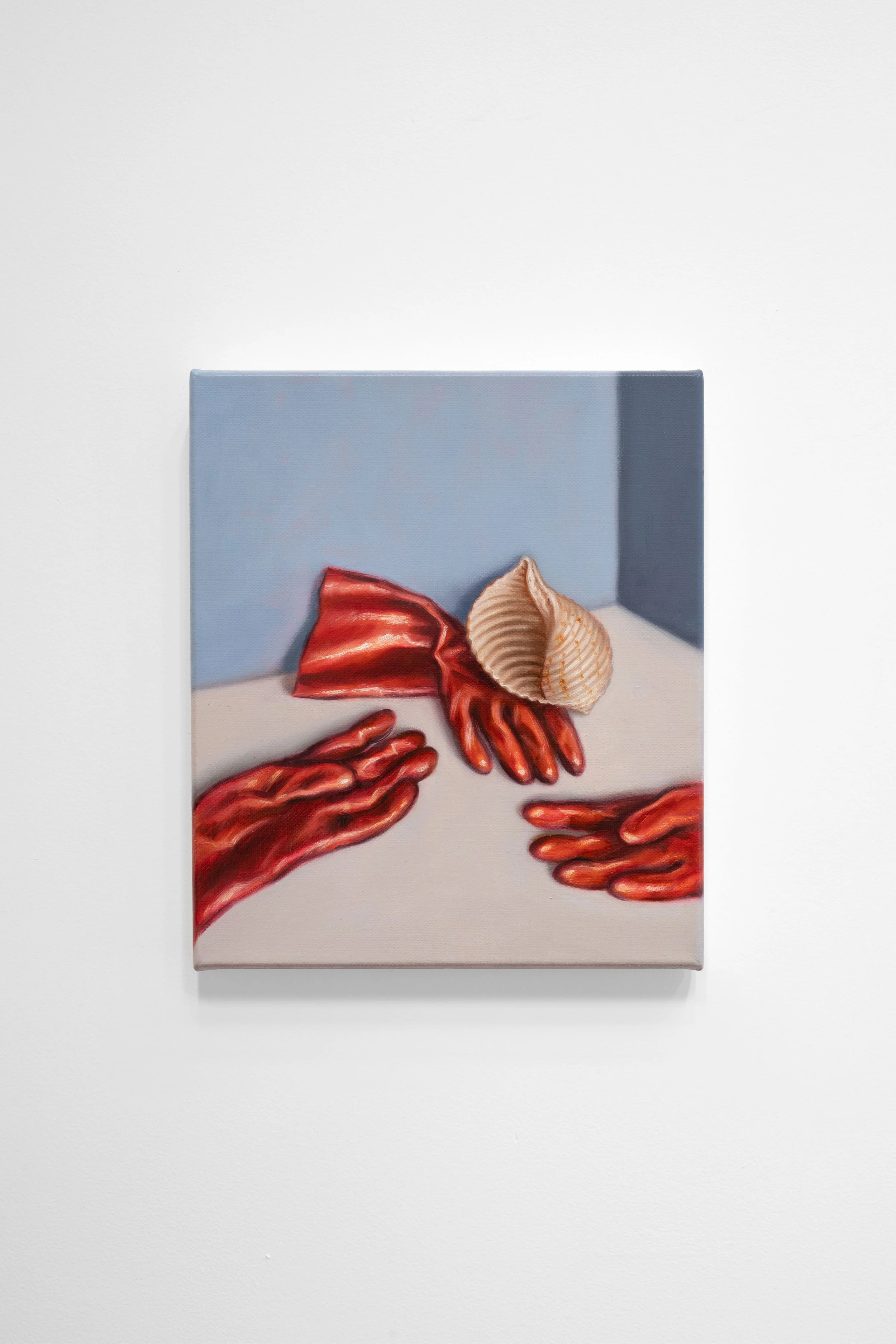
Musical Chairs, oil on linen, 36 x 30.5 cm
Tango, oil on linen, 36 x 30.5 cm
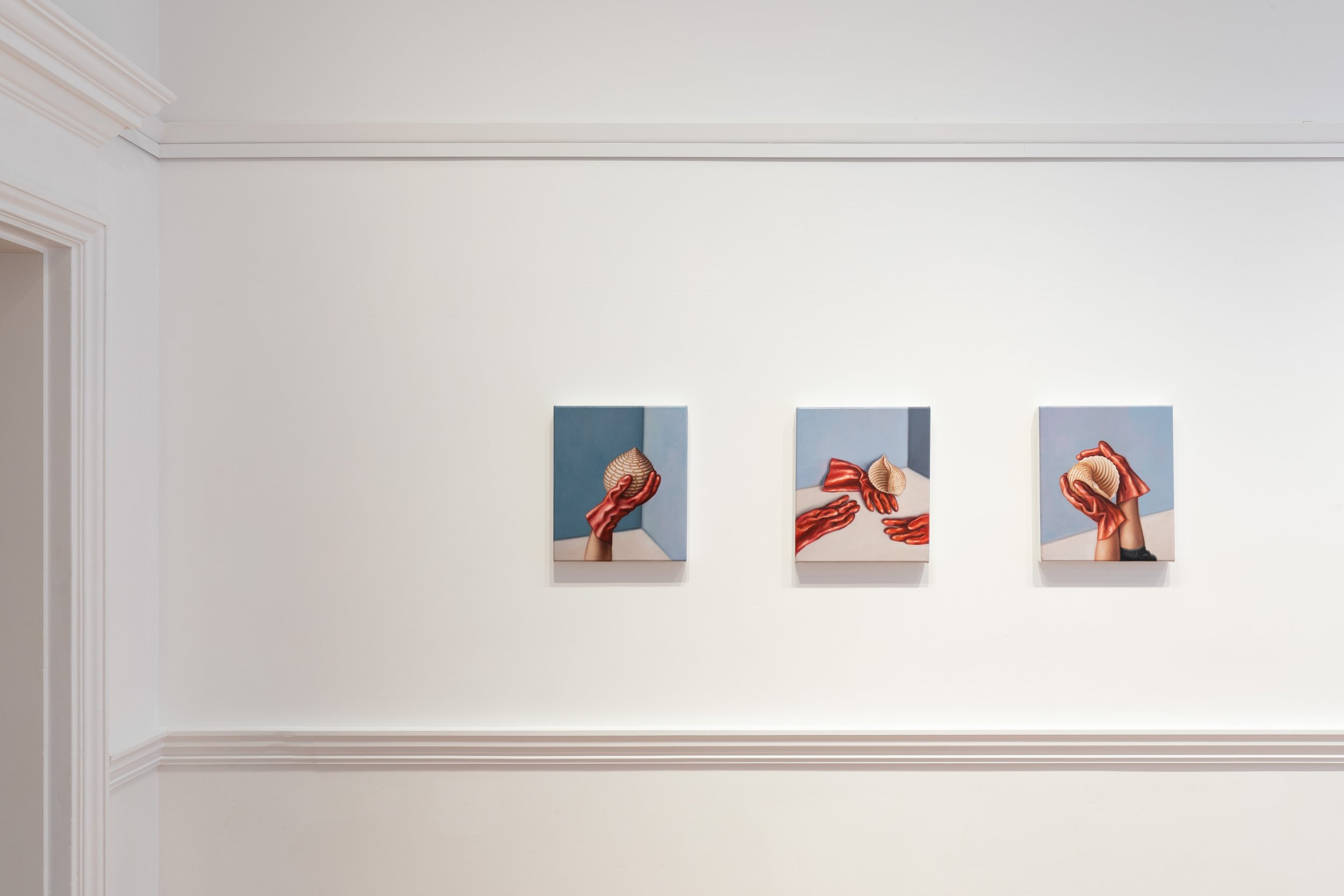
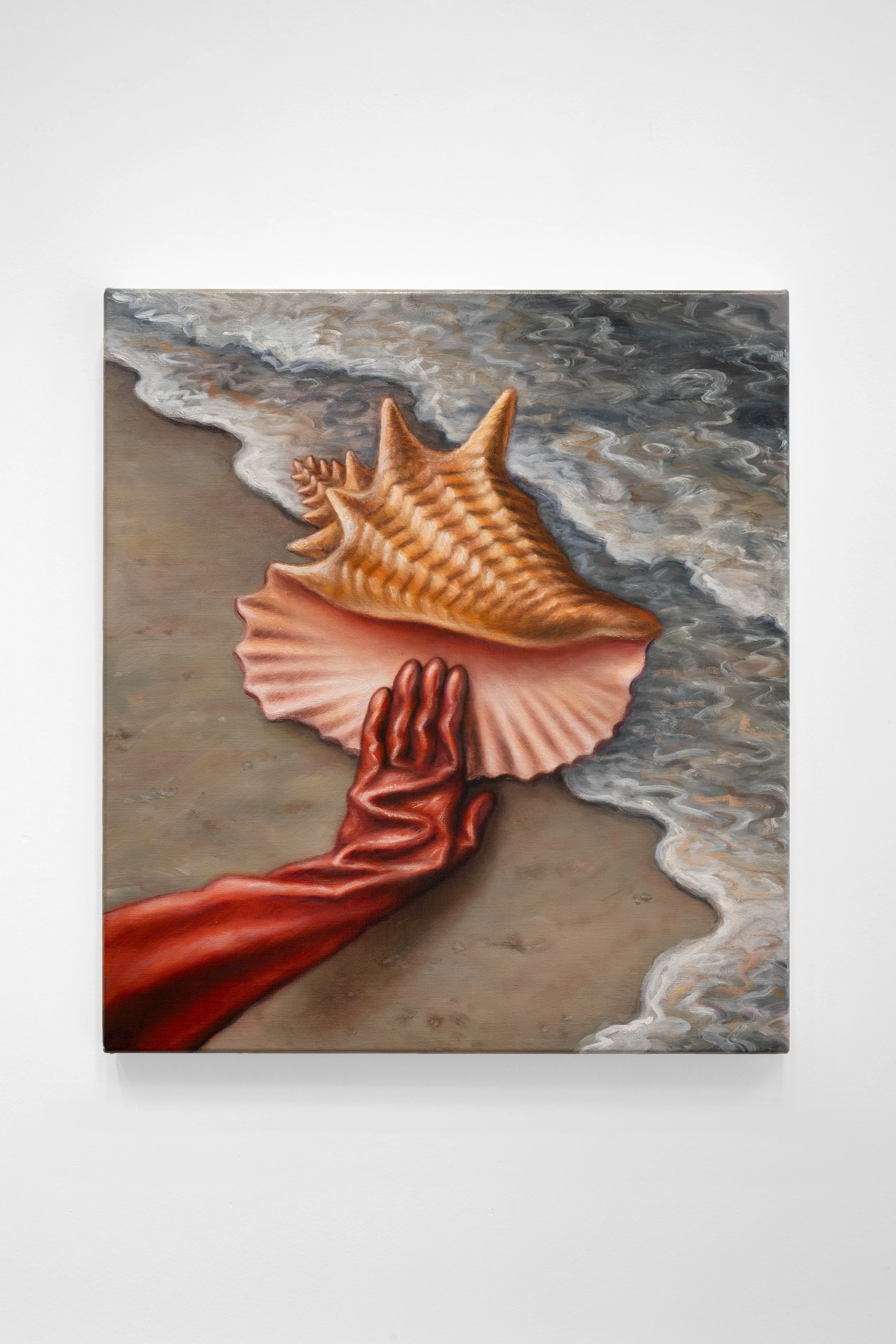
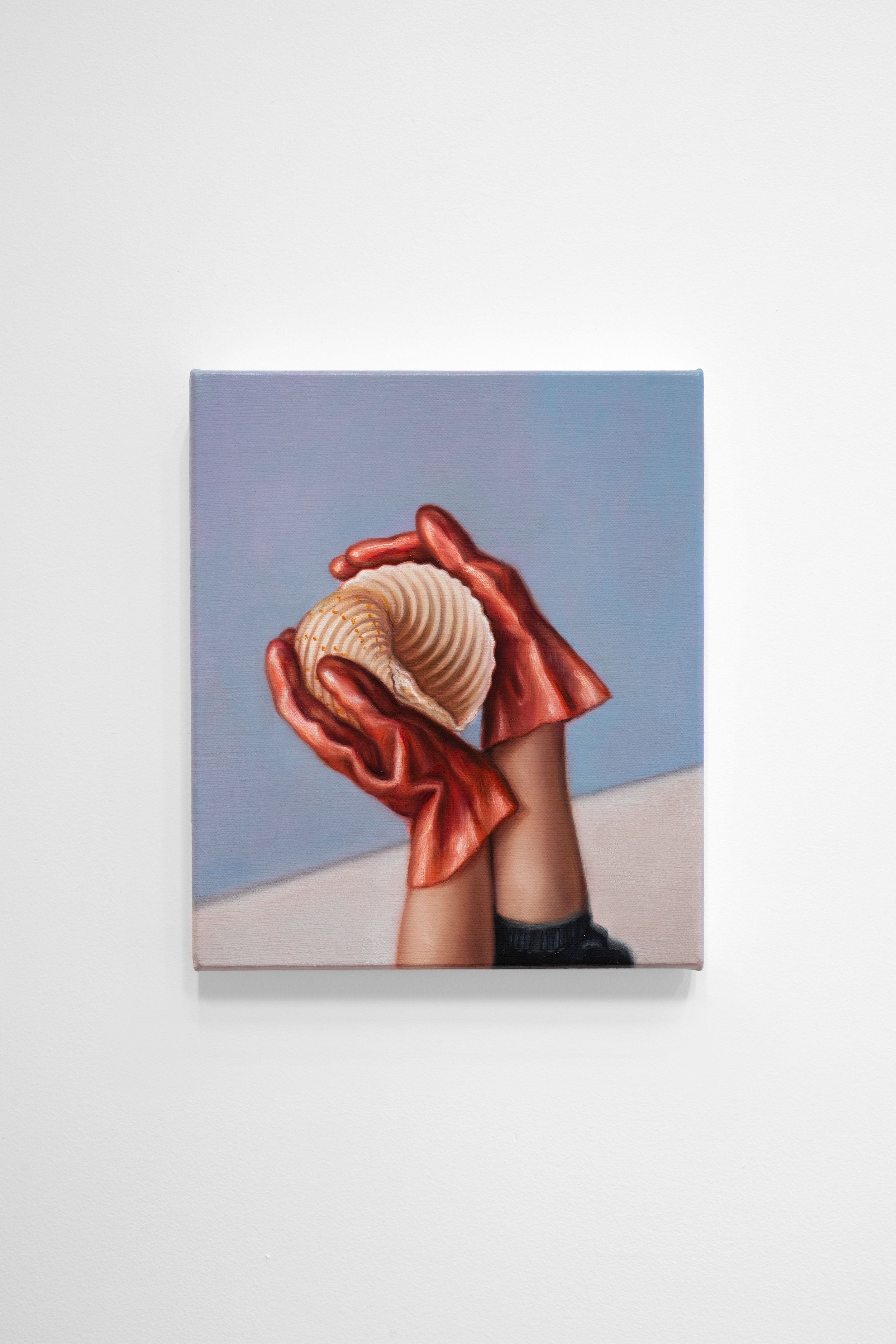
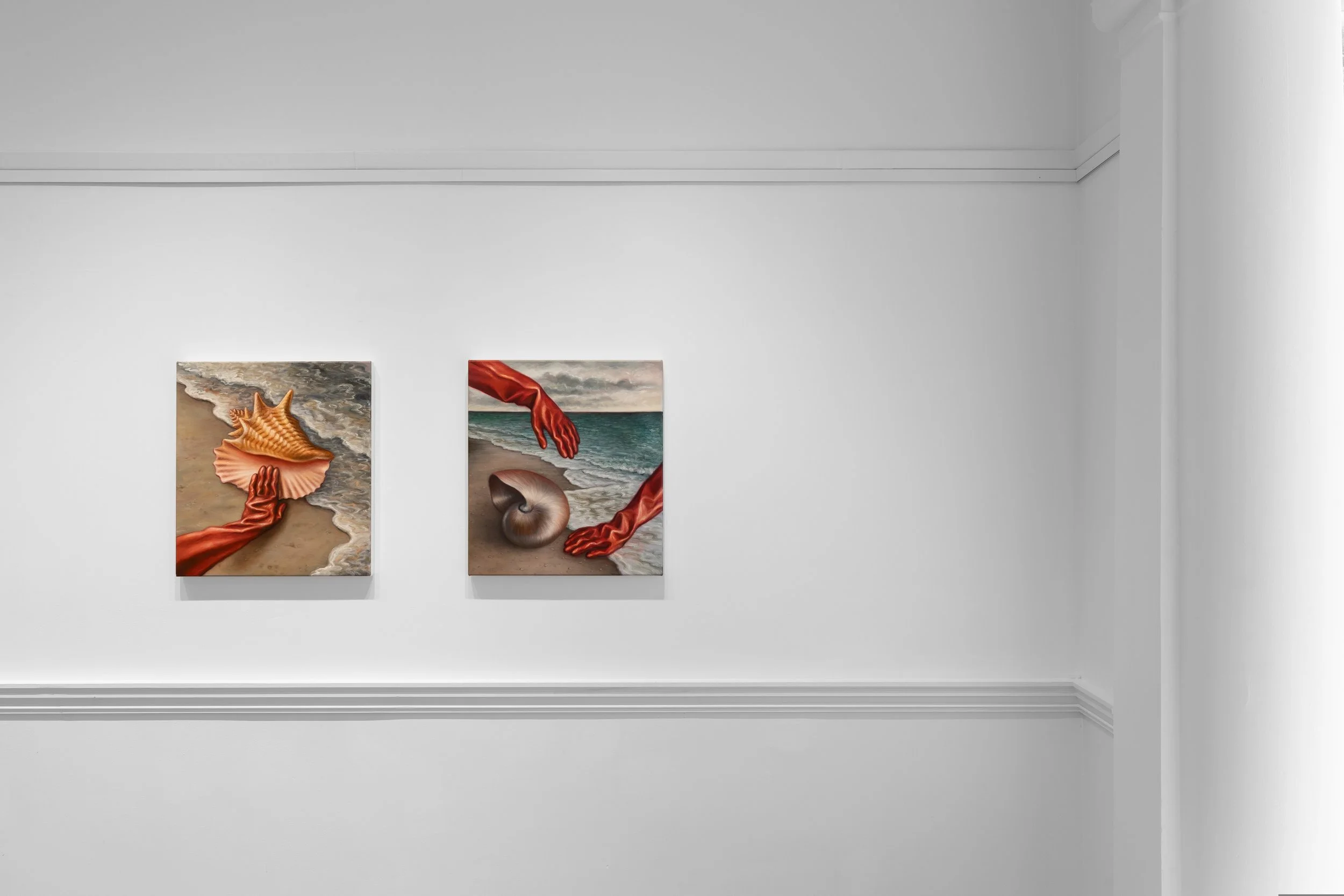
Siren Song I, 2025, oil on linen, 56.5 x 51 cm
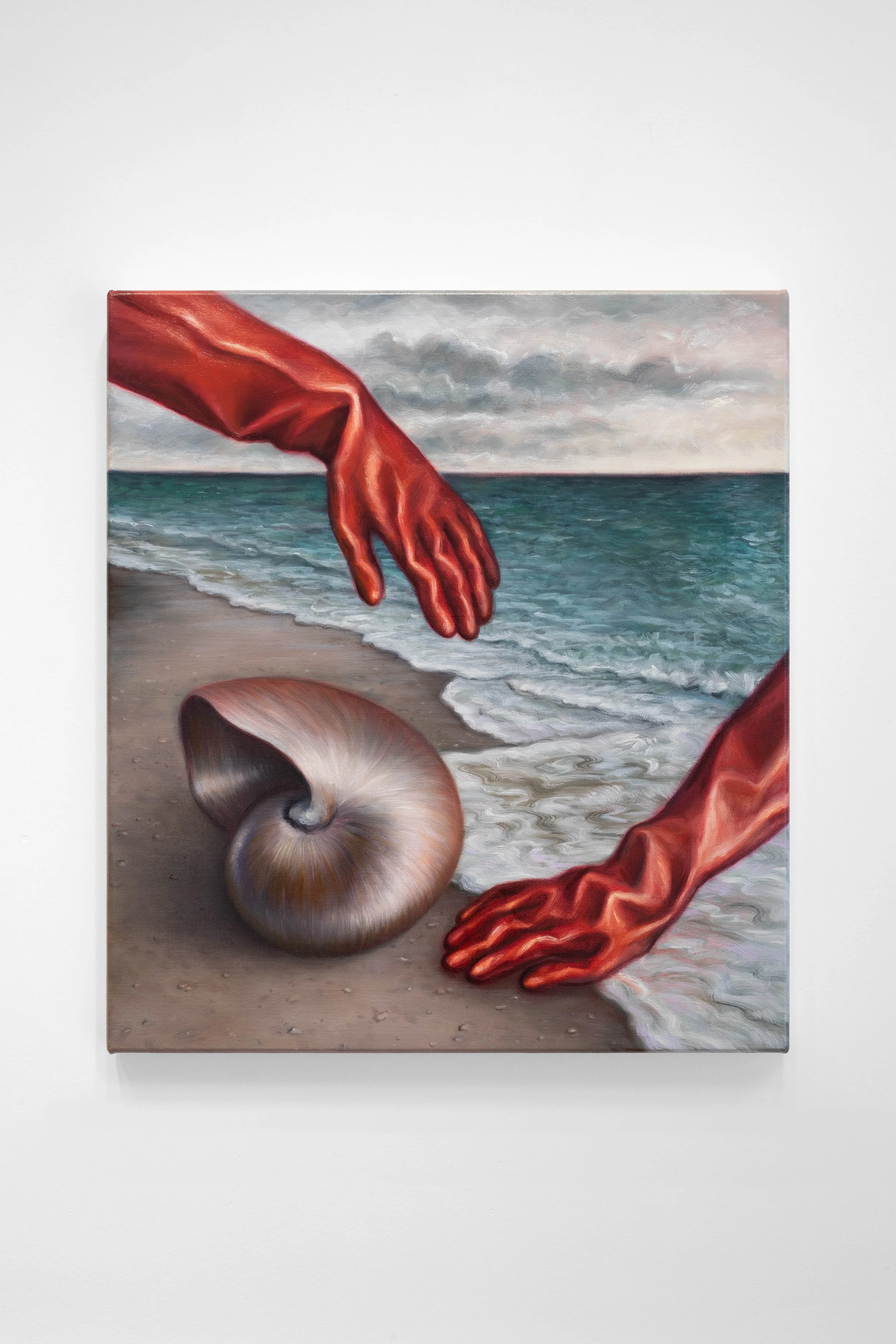
Siren Song II, 2025, oil on linen, 56.5 x 51 cm
Homing Instincts
Homing Instinct explores the universal pull towards home, drawing on personal and collective experiences of displacement and belonging. Inspired by the hermit crab's innate ability to navigate and adapt to new environments, this exhibition presents a new body of paintings that reflect on the continuous formation of home. In response to the growing need for safe and accessible housing, this exhibition invokes poetics and play to examine the intersections between environmental and social issues. By exploring the resilience of individuals and communities, this exhibition invites viewers to contemplate the complex, multifaceted nature of home and our innate desire to belong.
Photography by Jessica Maurer
Homing Instinct - catalog essay
Written by Miriam McGary
I should say: the house shelters day-dreaming, the house protects the dreamer, the house allows one to dream in peace.
- Gaston Bachelard.
How do people create a home in a housing crisis? Homing Instinct explores the animal instinct to ‘return home’ - but it also highlights the unnatural housing economy we are in. The crisis of affordability is not inevitable. It is fuelled by an asset economy, where people can generate more wealth through property than through wages. It is a result of policy choices, tax settings and social values - set against a myth of terra nullius and the violent dispossession of Traditional Owners from land and waters.
The recently developed online app ‘Priced Out’ invites users to enter their income and find out how many suburbs in Sydney they can’t afford to live in. In 2025, the median household income in Australia is $92,856, which would price you out of 96.8% of suburbs in Sydney. Even the average household income in Sydney for a couple of $160,000 (the top 20% of household income in Australia) would price prospective buyers out of 82.8% of Sydney suburbs. The deposit required for a median house in Sydney would have paid for an entire house in the same suburb in the 1970s.
For the 31% of Australians who rent (and who are increasingly likely to be lifelong renters), being ‘priced out’ is also a barrier to the basic necessity of safe and stable housing. Recent research found that for full-time workers who earn the minimum wage, only 0.7% of rental properties across the country were affordable.
The Great Australian Dream of home ownership is slipping further and further out of reach, as houses cease to be viewed as homes. Approximately 1 in 9 adult Australians is a landlord. 2.3 million landlords collectively own 3.3 million properties. In 2024 every third property sold was purchased by the investor class.
Homing Instincts gently exposes the impossibility of how Australia has commercialised shelter, by contrasting the private hoarding of homes by humans with the ‘vacancy chain’ organising method of hermit crabs - exchanging shells based on need, rather than accumulation. The red chemical gloves, a recurring motif in this body of work, stand in for the hermit crabs’ attempting to make homes in the empty shells. They slink towards an enticing and desirable shelter, holding aloft the rare ‘perfect’ home in Unicorn.
In Siren Song I and II, the lure of homeownership glows brightly. But, as demonstrated in the recent election policies from the two major parties; policies to assist people into home ownership make housing more accessible, rather than more affordable. These strategies can help certain demographics to ‘get their foot on the property ladder’, but it won’t protect against the snakes that can send owners back to the rental market. Increasingly, people will move on and off the ladder throughout their lives. A relationship breakdown, the loss of a job, or illness will see some owners shift back to being renters. Of the 66% of homeowning Australians, 28% are currently at risk of mortgage stress.
Musical Chairs illustrates the lack of affordable homes currently on the market, and the rental churn which makes building a life in a suburb, or growing a garden often feel impossible. The gloves lay flopped in defeat - flattened from too many viewings of dank rentals, homes auctioned for hundreds of thousands over the asking price, having their share house converted into an Airbnb. Again, these conditions are not necessary. Internationally, renting for life is completely normal - enabled by strong tenant rights and long term leases that enable residents to paint walls, grow fruit trees, have pets, know their child can remain at the same primary school, build relationships with their neighbours, and for communities to develop.
In Tinderbox, five red gloves are transformed into flames lapping from the windows of the shell of a house. It has haunting echoes of Grenfell Tower in London, a public housing estate which burned for over 60 hours due to unsuitable cheap cladding, killing 72 residents. The work also suggests a housing system which is unstable and highly volatile - ready to burst into flames. The Australian property market is currently worth $11 trillion, compared with the GDP of $2.6 trillion. We cannot afford for house prices to fall. But we cannot afford for them not to. If we are priced out of our lives, how do we return home?
This project was assisted through Arts Tasmania by the Minister for the Arts.